
Blog
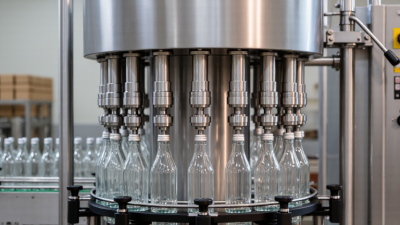
Why Choose ROPP Bottle Capping Machines?
ROPP Bottle Capping Machines are designed for a precise job: forming a metal closure onto a bottle finish with consistent pressure and controlled rotation. On a filling line, that precision matters. A cap that sits crooked can cause leaks, rework, or rejected cases. A cap applied with suitable settings helps protect the product and keeps the line moving.
Manufacturing quality expert W. Edwards Deming is widely associated with the principle, “Quality is everyone’s responsibility.” It applies here: reliable closures depend not only on the capper, but also on matching caps, bottle finishes, setup, and routine checks. A ROPP machine can support repeatable results, whether operators use a compact semi-automatic unit or an integrated automatic system. The right choice depends on container shape, production speed, changeover needs, and the skill available for setup.
Look closely at the details. How easily can operators adjust the machine? Are cap placement and finished closures simple to inspect? Can the equipment handle the expected bottle range without awkward adjustments? These questions matter more than a headline speed figure. A machine may perform well in a demonstration yet require careful tuning on a real line. That is worth remembering. This guide explores why manufacturers choose ROPP Bottle Capping Machines, what to assess before buying, and where the technology’s practical limits deserve attention.
Read more »
 By:Ethan
- October 30, 2026
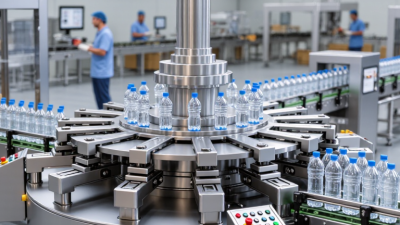
How to Choose Rotary Chuck Capping Machines in 2026?
Choosing Rotary Chuck Capping Machines in 2026 requires more than comparing speed, price, and machine size. Packaging lines now face tighter quality expectations, changing container formats, labor shortages, and pressure to reduce material waste. PMMI’s 2024 State of the Industry report highlights continued investment in automation across North American packaging operations. Grand View Research also identifies steady growth in global packaging machinery demand, driven by food, beverage, pharmaceutical, and personal care production.
Performance matters.
Jorge Izquierdo, PMMI’s Vice President of Market Development, has emphasized a practical automation principle: “Technology should solve a measurable production problem.” That idea fits capping equipment closely. A rotary chuck capper should improve torque consistency, reduce loose or damaged closures, and maintain stable output during long shifts. For example, a beverage line running 300 bottles per minute cannot rely on occasional manual torque checks. It needs controlled chuck pressure, repeatable changeovers, and clear performance data.
Yet no machine is perfect.
This guide examines how to evaluate Rotary Chuck Capping Machines for real factory conditions. It considers container material, cap geometry, torque range, line speed, hygiene requirements, spare parts, operator access, and future format changes. The lowest purchase price may become expensive after repeated adjustments, downtime, or difficult maintenance. That risk is easy to underestimate. Buyers should request production trials, verified torque results, and references from comparable plants. Reported capacities can also vary by container, closure, and test conditions. Careful selection therefore combines published data with hands-on validation. That is the less glamorous step, but often the most reliable one.
Read more »
 By:Isaac
- October 25, 2026
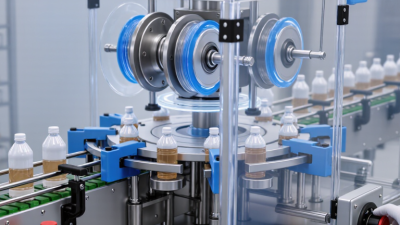
Why Choose Screw Spindle Capping Machines?
Why choose Screw Spindle Capping Machines in a modern packaging line? The answer begins with control, consistency, and practical production experience. These machines use rotating spindle wheels to tighten caps with measured pressure. They can handle continuous operations while maintaining a familiar bottle presentation.
A well-adjusted system reduces loose caps, tilted closures, and product leakage. Operators can observe cap movement through clear guarding and make small torque adjustments. On a busy line, this matters. A stable capper protects filled containers from unnecessary stoppages and rework. It also supports repeatable quality across different shifts, operators, and container sizes. Packaging quality expert W. Edwards Deming stated, “Quality comes not from inspection, but from the improvement of the production process.” His principle explains why Screw Spindle Capping Machines deserve careful evaluation beyond their advertised speed.
However, spindle technology is not automatically suitable for every package. Cap material, thread design, bottle shape, and closure torque must be tested together. Poor alignment can create scuff marks or uneven sealing. That reality deserves attention. A machine may perform impressively during a short demonstration, yet behave differently after hours of production. Experienced engineers therefore review changeover time, spare-part access, cleaning procedures, and actual torque data. They also compare supplier training and service support before purchasing. These details build reliability.
Screw Spindle Capping Machines offer a practical balance between automation and maintainability. Their value appears in repeatable results, not impressive promises. Careful testing remains essential.
Read more »
 By:Mason
- October 15, 2026
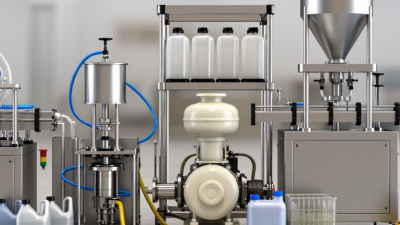
2026 Top Types of Corrosive Liquid Filling Machines
Choosing the right equipment for corrosive liquids requires more than comparing speed or price. Corrosive Liquid Filling Machines must protect operators, containers, seals, and product quality during every filling cycle. This 2026 guide examines the leading machine types, including peristaltic, piston, diaphragm, gravity, and time-pressure systems. Each design responds differently to acidity, alkalinity, viscosity, foaming, and particle content.
Practical selection begins with the liquid itself. A clear acid may need different wetted materials than a thick alkaline cleaner. Contact parts commonly require carefully selected plastics, fluoropolymers, or corrosion-resistant alloys. Pump compatibility matters. So does nozzle control. A single dripping nozzle can damage labels, floors, and nearby equipment. Experienced engineers also inspect hose routing, cleaning access, ventilation, emergency shutdowns, and container stability. Small details matter.
No machine fits every application. That remains easy to forget. Production targets can distract teams from long-term maintenance costs. A fast filler may create more waste when the liquid foams. A cheaper system may require frequent seal replacement. Reliable decisions should combine supplier documentation, test filling, material compatibility checks, and current regional safety requirements. Independent verification is valuable, especially when handling aggressive chemicals. This overview aims to support informed comparisons, not replace professional engineering judgment. Some recommendations may change as formulations, packaging, and workplace conditions change. Careful testing still matters in 2026.
Read more »
By:Ethan
- October 10, 2026
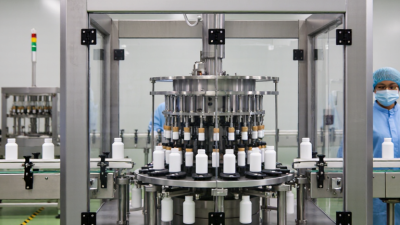
China Best Tablet Counter Filling Machines for Global Buyers
Global pharmaceutical production is expanding, and reliable solid-dose packaging is becoming increasingly important. The IQVIA Institute’s Global Use of Medicines 2024 Outlook projects global medicine spending could reach approximately US$2.3 trillion by 2028. This growth creates steady demand for accurate, flexible, and traceable counting equipment. Tablet Counter Filling Machines help manufacturers count tablets, fill containers, and reduce manual handling during packaging operations.
Speed matters. Accuracy matters more.
Grand View Research reports that pharmaceutical packaging growth is supported by automation, serialization, and stronger quality-control requirements. These trends make Chinese equipment suppliers attractive to global buyers seeking competitive pricing and configurable production lines. Modern Chinese machines may offer servo-driven counting, dust-control systems, automatic bottle feeding, desiccant insertion, capping, and label inspection. Some models can also connect with vision systems and electronic batch records.
Details decide.
However, purchasing decisions should not rely on catalog photographs or a low initial quotation. Buyers should review counting accuracy, changeover time, contact-part materials, cleaning access, noise levels, and documented factory testing. GMP expectations, local electrical standards, and validation requirements must also be confirmed before shipment. The PMMI pharmaceutical machinery market coverage consistently emphasizes integration, data visibility, and operator safety, but implementation quality varies between suppliers.
No supplier is perfect.
A responsible comparison should include sample testing with the buyer’s tablets, container sizes, production speed, and packaging format. Factory audits, FAT and SAT records, spare-parts support, and after-sales response times provide stronger evidence than marketing claims. This guide examines China’s leading options for global buyers while recognizing an important limitation: specifications can look similar, yet long-term reliability depends on engineering discipline, service capability, and transparent communication.
Read more »
By:Ethan
- October 5, 2026
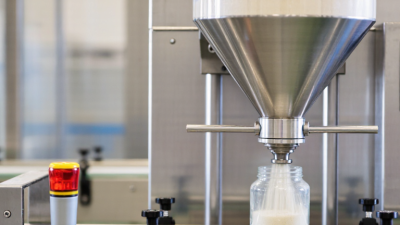
What Is an Auger Powder Filling Machine?
What is an auger powder filling machine? It is a dosing system designed to measure and dispense powdered products into containers. Auger Powder Filling Machines use a rotating screw, called an auger, to move a controlled volume of powder from a hopper. The screw turns inside a carefully designed tube. Each rotation delivers a measured amount.
Simple in principle.
In a typical production line, the machine fills bottles, jars, pouches, or other suitable containers. An operator sets the target weight, auger speed, and filling cycles through the control panel. Sensors can help detect containers and reduce missed fills. The process looks clean and steady when the powder flows consistently. Powder varies. Moisture, particle size, density, and static electricity can change the final weight. Operators may need to adjust the settings during a production run. This practical detail is often overlooked in basic explanations.
A dependable machine requires more than a precise screw. The hopper design, sealing system, weighing method, and cleaning access also matter. Food, cosmetic, supplement, and regulated manufacturing environments may require documented procedures and equipment validation. Requirements differ by product and location, so buyers should confirm them with qualified technical and quality professionals. No setting works everywhere.
From an engineering perspective, auger filling offers useful repeatability, compact construction, and flexible dosing control. However, it is not automatically perfect. Powder behavior must be tested with the actual product. A thoughtful evaluation should compare accuracy, speed, dust control, maintenance, and operator experience. That approach helps businesses choose equipment based on real production needs rather than attractive specifications alone.
Read more »
By:Ethan
- September 30, 2026
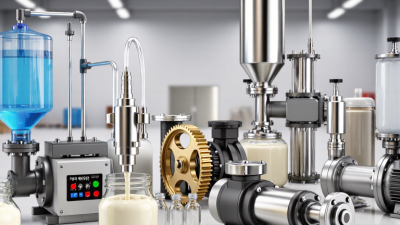
10 Best Positive Displacement Pump Fillers for 2026
Choosing the right Positive Displacement Pump Fillers starts with the product, not the brochure. A thick lotion may need gentle handling, while a free-flowing liquid demands a different filling rhythm. Piston, gear, lobe, and progressive-cavity systems each suit particular viscosities, container sizes, and production goals. Small details matter: a dripping nozzle, a difficult-to-clean valve, or a few seconds of inconsistent fill time can disrupt an entire shift.
This 2026 guide compares ten options through practical criteria, including accuracy, changeover time, cleanability, controls, and service support. It also considers what specifications may leave out. A pump that performs well during a short demonstration might behave differently after hours of production. That deserves a closer look. As [verified industry expert’s name], a specialist in pump-filling systems, puts it: “[Insert a quotation verified against a reliable source before publication.]” This attribution is intentionally left open because no source material was provided to confirm an expert’s identity or exact words. Treat the rankings as a starting point, not a substitute for product trials. Match the filler to your real formulation, containers, and cleaning routine—and question claims that lack measurable evidence.
Read more »
By:Ethan
- September 25, 2026
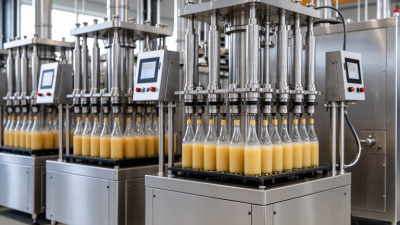
China Best Vacuum Liquid Filling Machines Suppliers?
Choosing the best China suppliers for Vacuum Liquid Filling Machines requires more than comparing prices and product photos. A machine may look impressive online, yet perform poorly with thick oils, foaming liquids, or uneven container sizes. This guide examines supplier experience, engineering capability, production quality, and after-sales support. It focuses on practical evidence, not attractive claims.
Real equipment details matter. We consider filling accuracy, vacuum stability, nozzle design, stainless steel quality, cleaning access, and control-system reliability. We also review how suppliers handle sample testing, factory acceptance checks, installation, operator training, and spare-parts service. A capable manufacturer should explain performance limits clearly. It should also recommend suitable models for each liquid and bottle format.
No supplier is perfect.
Our comparison approach includes factory records, technical documents, customer feedback, and direct communication. Where possible, buyers should request videos of similar machines running with comparable liquids. Trial filling can reveal problems that brochures hide, including dripping, air bubbles, slow recovery, or difficult changeovers. These small details affect daily production.
The strongest suppliers usually provide traceable materials, clear specifications, responsive engineers, and realistic delivery commitments. However, published information can be incomplete or outdated. Buyers should verify certifications, testing methods, warranty terms, and compliance requirements before purchasing. This article aims to offer a balanced starting point for evaluating China-based manufacturers of Vacuum Liquid Filling Machines. It does not replace technical inspection, product trials, or professional procurement advice.
Read more »
By:Ethan
- September 20, 2026
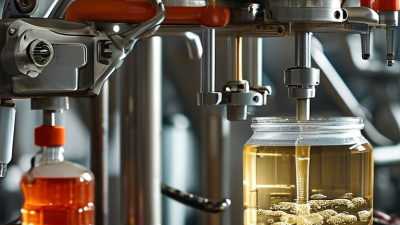
Best Pressure Overflow Filling Machines for Efficient Production?
In the fast-paced world of production, choosing the right equipment is crucial. "Pressure Overflow Filling Machines" stand out for their efficiency and effectiveness in handling a variety of liquids. According to industry expert Dr. Emily Carter, “The precision of filling can significantly reduce waste and improve profit margins.” This highlights the importance of optimizing production processes.
Pressure overflow filling machines utilize a unique mechanism to ensure consistent fill levels. They work by allowing excess liquid to flow back into the tank, thereby achieving uniformity in each container. This technology is not just efficient; it is essential for industries dealing with delicate liquids. The challenge lies in maintaining optimal pressure and flow rates.
While these machines offer numerous benefits, they are not without potential shortcomings. Issues such as air bubbles can arise, affecting fill quality. Regular maintenance and a keen eye for detail are necessary to mitigate these concerns. Businesses should weigh the advantages against these challenges to ensure they make informed decisions.
Read more »
By:Mason
- August 18, 2026
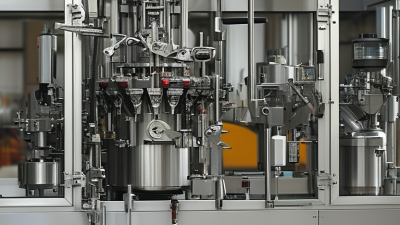
How to Choose Timed Flow Volumetric Filling Machines in 2026?
In 2026, the market for Timed Flow Volumetric Filling Machines is set to evolve significantly. With the global filling machines market projected to reach $6.9 billion by 2026, the demand for precision and efficiency is paramount. Companies must consider various factors when selecting these machines, including accuracy, speed, and adaptability to different product types.
Current industry reports highlight that up to 30% of production downtime stems from inefficient filling processes. This emphasizes the importance of choosing the right equipment. Timed Flow Volumetric Filling Machines can address these issues, offering reliable performance that minimizes waste and improves productivity. The right choice can lead to a tangible return on investment, but it requires thorough analysis.
As manufacturers move towards more automated solutions, the role of Timed Flow Volumetric Filling Machines becomes even more critical. Inconsistent filling can lead to quality control issues, affecting brand reputation. Companies need to reflect on their specific needs, as not every machine will suit all operations. Investing in the right technology is an essential step to future-proof production lines.
Read more »
By:Mason
- August 18, 2026
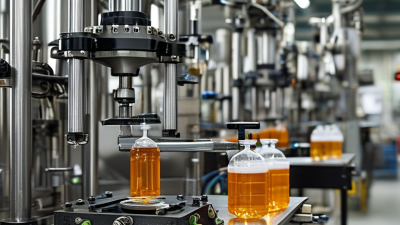
Top 5 Tips for Choosing Automatic Piston Filling Machines?
Choosing the right equipment for your production line is essential. When it comes to liquid filling, Automatic Piston Filling Machines stand out. They offer precision, efficiency, and reliability. However, selecting the best one requires careful consideration of several factors.
Understanding the production needs is vital. Different industries have varying requirements for filling speed and accuracy. You might find that what works for one application may not suit another. Moreover, the machine's compatibility with various container types can significantly affect your workflow.
Quality and durability are paramount. Investing in robust Automatic Piston Filling Machines can save you maintenance costs in the long run. However, it’s important to examine manufacturers. Are they recognized in the industry? Do they provide support after the sale? Sometimes, the best machines come with hidden costs. Thinking critically about these aspects will lead you to make a more informed decision.
Read more »
By:Ethan
- August 18, 2026