
Industry Knowledge Hub

Packaging Equipment Insights & News

Discover technical resources, machine guides, maintenance tips, and automation trends from industry specialists.

0%

Why choose Screw Spindle Capping Machines in a modern packaging line? The answer begins with control, consistency, and practical production experience. These machines use rotating spindle wheels to tighten caps with measured pressure. They can handle continuous operations while maintaining a familiar bottle presentation.

A well-adjusted system reduces loose caps, tilted closures, and product leakage. Operators can observe cap movement through clear guarding and make small torque adjustments. On a busy line, this matters. A stable capper protects filled containers from unnecessary stoppages and rework. It also supports repeatable quality across different shifts, operators, and container sizes. Packaging quality expert W. Edwards Deming stated, “Quality comes not from inspection, but from the improvement of the production process.” His principle explains why Screw Spindle Capping Machines deserve careful evaluation beyond their advertised speed.

However, spindle technology is not automatically suitable for every package. Cap material, thread design, bottle shape, and closure torque must be tested together. Poor alignment can create scuff marks or uneven sealing. That reality deserves attention. A machine may perform impressively during a short demonstration, yet behave differently after hours of production. Experienced engineers therefore review changeover time, spare-part access, cleaning procedures, and actual torque data. They also compare supplier training and service support before purchasing. These details build reliability.

Screw Spindle Capping Machines offer a practical balance between automation and maintainability. Their value appears in repeatable results, not impressive promises. Careful testing remains essential.
Why Choose Screw Spindle Capping Machines?

What Are Screw Spindle Capping Machines?

Why Choose Screw Spindle Capping Machines?

What Are Screw Spindle Capping Machines?

Screw spindle capping machines close threaded containers by rotating caps onto prepared necks. Several synchronized rubber or polyurethane spindles grip each cap. Their rotation creates controlled tightening without using a traditional chuck. Operators can adjust spindle speed, cap height, and torque settings. This design suits bottles, jars, and containers with different thread profiles.

The principle is simple. The machine aligns a cap, carries it forward, and tightens it through repeated side contact.

Short answer: steady torque.

Grand View Research valued the global packaging machinery market at approximately USD 52.83 billion in 2023. It also projects a 5.6% compound annual growth rate from 2024 to 2030. This broader market data reflects continued investment in automated packaging equipment, including capping systems.

On a production floor, an inline cap sorter reduces manual handling. Torque monitoring helps prevent loose closures and damaged threads. Quick adjustment also supports practical changeovers between container sizes.

However, spindle cappers are not automatically perfect. A poorly centered bottle can cause uneven tightening. Wet caps, flexible containers, or inconsistent threads may create rejects. That is the part often missed.

Trial runs should measure torque, speed, reject rate, and seal performance.

PMMI’s 2024 State of the Industry report identifies labor availability and automation as continuing packaging concerns. Automation can reduce repetitive work, but operators still need technical judgment.

In my view, that balance matters more than headline speed. Reliability comes from setup discipline, not machinery alone.

How Screw Spindle Capping Machines Work

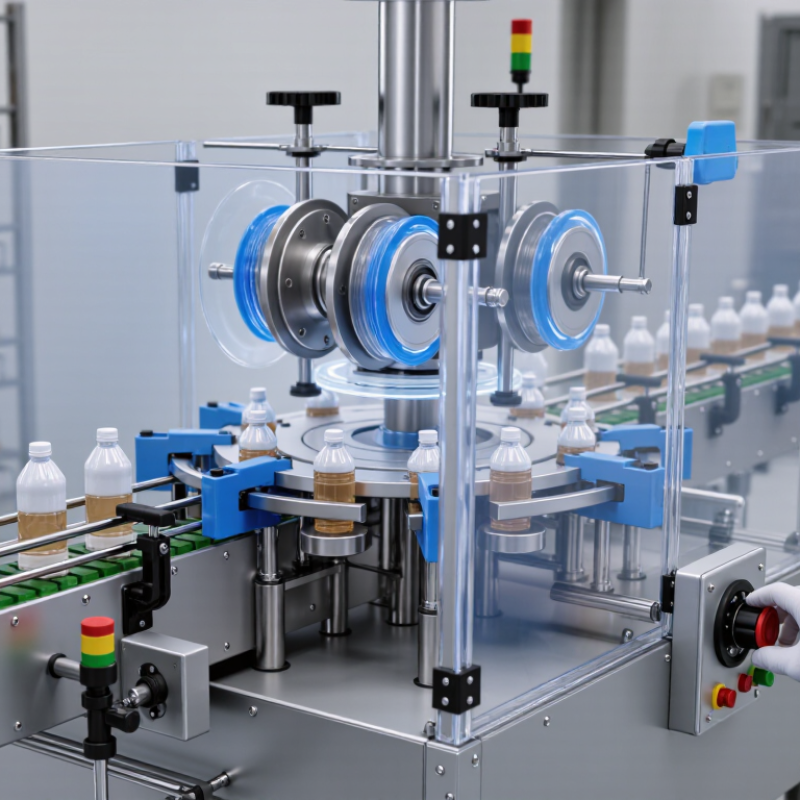
A screw spindle capping machine tightens bottles through controlled contact between rotating wheels and a guided cap. Operators place filled bottles on a conveyor, where star wheels or timing belts keep spacing stable. The cap enters a chute, then settles over the bottle neck. Small misalignments matter.

As the container moves forward, several spindle wheels grip the cap sides and rotate it. Friction transfers torque, while adjustable wheel pressure controls how firmly the cap is tightened. A capper may use two, four, or more spindles, depending on cap size and closure material. Too little pressure can leave a loose seal. Too much can distort threads or mark the cap. Speed, cap height, and bottle stability must work together.

In production work, technicians usually begin with low wheel pressure and increase it gradually. They check torque with a calibrated tester and inspect threads, liners, and cap seating by hand. This practical check often reveals problems that a sensor misses. Still, settings drift when cap batches, temperatures, or bottle surfaces change. That is where experience helps, although experience alone is not enough. Recordable settings, repeatable tests, guarding, and scheduled cleaning support dependable operation. An occasional crooked cap should trigger investigation, not silent acceptance.

Key Advantages of Screw Spindle Capping Technology

Why Choose Screw Spindle Capping Machines?

Key Advantages of Screw Spindle Capping Technology

Screw spindle capping technology delivers consistent torque across high-volume packaging lines. Multiple rotating spindles grip each cap and tighten it evenly. This reduces loose closures, damaged threads, and visible cap distortion. In practical production, operators can check torque readings beside the conveyor. Small adjustments then become easier to verify. The process feels controlled, not mysterious.

The system also supports steady speeds without harsh stopping movements. Spindle belts guide caps smoothly over bottles, reducing sudden drops and tilted closures. Changeover can be efficient when guides and spindle heights are clearly marked. Different container shapes still require careful setup. That assumption can be wrong. A machine may handle several formats, but every cap needs testing.

Reliable performance depends on more than the machine itself. Technicians should inspect spindle wear, belt tension, and cap alignment during scheduled maintenance. Dust or product residue can affect grip and torque. Clean contact surfaces matter. Modern controls can record settings for repeatable production, improving traceability between batches. However, recorded settings do not replace physical checks. Experienced operators still examine samples for seal quality, thread engagement, and cap height. One overlooked variation in cap supply can create repeated failures. Careful observation remains essential.

Packaging Applications and Container Compatibility

Screw spindle capping machines suit packaging lines that handle threaded closures repeatedly. They work with HDPE, PET, glass, and coated metal containers. Common applications include beverages, cosmetics, household chemicals, nutritional products, and personal care items. Their rotating belts or discs apply controlled torque while guiding each cap into position. Small changes matter. Cap height, thread depth, liner material, and neck finish can affect performance.

The Packaging Machinery Manufacturers Institute reported approximately $10.8 billion in U.S. packaging machinery shipments during 2023. That scale reflects continued investment in adaptable, automated equipment. Screw spindle systems support this trend because operators can adjust spindle height, belt pressure, and torque for different container formats. A 28-millimeter closure may need a different setup from a 63-millimeter closure. Format changeovers can remain practical when guides and timing components are clearly marked.

Compatibility testing should happen before production approval. Test filled containers, not empty samples alone. Liquid weight can change stability during capping. According to Smithers, rigid plastic packaging remains a major growth area through 2028, increasing demand for reliable closure application. Still, spindle machines are not perfect for every package. Very soft bottles may deform under pressure, while unusual caps can require custom tooling. In my experience, rushed trials create avoidable defects. A few minutes of torque testing can reveal leaks, cross-threading, or loose caps before they reach the packing area.

Factors to Consider When Choosing a Screw Spindle Capper

Why Choose Screw Spindle Capping Machines?

Choosing a screw spindle capper requires more than checking its advertised speed. The machine must match your container shape, closure material, thread design, and production volume. A capper that works well with rigid bottles may struggle with lightweight containers. Torque control is equally important. Too little torque can cause leakage, while excessive force may damage caps or threads. In practical trials, I check seal quality at different speeds, not only during the first successful run.

Changeover time also affects daily efficiency. Look for adjustable spindle heads, clear settings, and accessible parts. Operators should be able to change formats without complicated tools. Cleaning matters, especially around contact surfaces where dust or product residue can collect. Safety guards, emergency stops, and stable frame construction deserve careful inspection. A reliable supplier should provide operating guidance, maintenance details, and realistic performance data.

Tips: Test several container and cap combinations before purchase. Record torque results, rejected units, and changeover minutes. Keep spare contact wheels available. Small details matter. No machine is perfect. Early tests may reveal vibration, cap slipping, or inconsistent alignment. These problems are not always deal-breakers, but ignoring them can create costly issues later. Ask whether adjustments remain stable after extended operation, because a capper can perform differently after hours of continuous use.

FAQS

What is a screw spindle capping machine?

It tightens bottle caps using rotating wheels and guided movement. Filled bottles travel along a conveyor. Spindle wheels grip and rotate each cap.

How does the capping process work?

A cap enters a chute and settles over the bottle neck. Star wheels or timing belts maintain spacing. Spindles then transfer torque through friction.

How many spindle wheels are needed?

Machines may use two, four, or more spindles. The correct number depends on cap size and closure material. More wheels are not always better.

How does wheel pressure affect the seal?

Low pressure may leave the cap loose. High pressure can damage threads or mark the cap. Technicians usually begin gently and increase pressure gradually.

How can operators check tightening quality?

Operators can measure torque with a calibrated tester. They should also inspect cap seating, threads, and liners by hand. Sensors can miss small defects.

Why might a cap become crooked?

Misalignment, unstable bottles, or incorrect cap height may cause crooked caps. Poor spacing can also affect placement. One crooked cap deserves investigation.

Can one machine handle different bottle formats?

It may support several formats with adjusted guides and spindle heights. Each cap and bottle combination still needs testing. That assumption can fail.

What maintenance supports reliable operation?

Technicians should inspect spindle wear and belt tension regularly. They should clean contact surfaces and remove residue. Small deposits can change grip and torque.

Do recorded machine settings guarantee consistent results?

No. Recorded settings improve repeatability and batch traceability. They do not replace physical sample checks. Cap batches, temperature, and bottle surfaces can change performance.

What should operators do when settings drift?

Recheck torque, alignment, pressure, and cap seating. Compare current samples with earlier results. Experience helps, but records and repeatable tests help more.

Conclusion

Screw Spindle Capping Machines are automated packaging systems designed to apply and tighten screw caps consistently on a wide range of containers. They use synchronized rotating spindles to grip and turn each cap while the container moves through the machine, creating reliable closure torque and maintaining a steady production flow. Their adjustable design makes them suitable for bottles and jars made from materials such as plastic or glass, with compatibility across different cap shapes and sizes.

Key advantages include high operating efficiency, repeatable sealing performance, reduced manual labor, and easy integration into complete filling and packaging lines. Screw Spindle Capping Machines are commonly used for products in the food, beverage, cosmetic, pharmaceutical, household, and chemical sectors. When selecting a suitable capper, manufacturers should evaluate container and cap dimensions, required speed, torque control, changeover convenience, line layout, cleaning requirements, safety features, and future production needs. The right configuration can improve packaging consistency while minimizing downtime and product loss.

Mason

Mason

Mason is a dedicated marketing professional with a deep expertise in our company’s product offerings. He consistently demonstrates a profound understanding of the market and customer needs, which allows him to craft compelling narratives that resonate with our audience. Mason plays a pivotal role......