
Packaging Equipment Insights & News
Discover technical resources, machine guides, maintenance tips, and automation trends from industry specialists.
2026 Top Types of Corrosive Liquid Filling Machines
Choosing the right equipment for corrosive liquids requires more than comparing speed or price. Corrosive Liquid Filling Machines must protect operators, containers, seals, and product quality during every filling cycle. This 2026 guide examines the leading machine types, including peristaltic, piston, diaphragm, gravity, and time-pressure systems. Each design responds differently to acidity, alkalinity, viscosity, foaming, and particle content.
Practical selection begins with the liquid itself. A clear acid may need different wetted materials than a thick alkaline cleaner. Contact parts commonly require carefully selected plastics, fluoropolymers, or corrosion-resistant alloys. Pump compatibility matters. So does nozzle control. A single dripping nozzle can damage labels, floors, and nearby equipment. Experienced engineers also inspect hose routing, cleaning access, ventilation, emergency shutdowns, and container stability. Small details matter.
No machine fits every application. That remains easy to forget. Production targets can distract teams from long-term maintenance costs. A fast filler may create more waste when the liquid foams. A cheaper system may require frequent seal replacement. Reliable decisions should combine supplier documentation, test filling, material compatibility checks, and current regional safety requirements. Independent verification is valuable, especially when handling aggressive chemicals. This overview aims to support informed comparisons, not replace professional engineering judgment. Some recommendations may change as formulations, packaging, and workplace conditions change. Careful testing still matters in 2026.
What Are Corrosive Liquid Filling Machines?
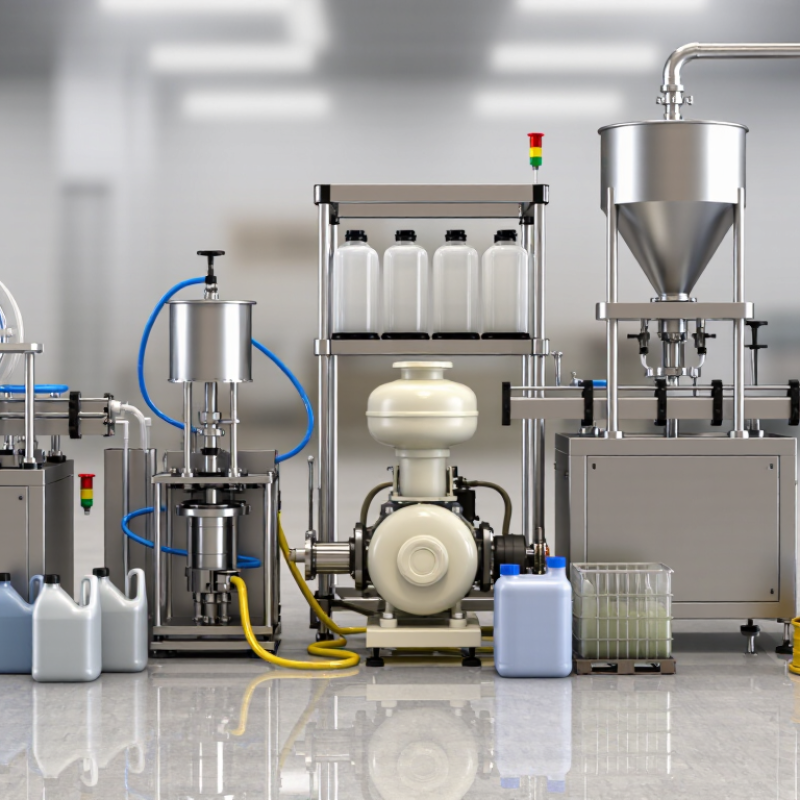
Corrosive liquid filling machines are designed to measure and transfer acids, alkalis, and other aggressive fluids safely. Unlike standard fillers, they use chemical-resistant wetted parts, such as PTFE, PVDF, polypropylene, or high-density polyethylene. These materials reduce swelling, cracking, and contamination inside the product path.
The machine type depends on viscosity and filling accuracy. Peristaltic fillers suit smaller batches because the liquid contacts only the tubing. Piston fillers handle thicker liquids, while gear pumps support steady industrial flow. Grand View Research estimates the global liquid filling machines market exceeded USD 7 billion in 2023, with continued growth expected through 2030. That growth reflects stronger demand for controlled, automated packaging. However, corrosive service needs more than automation. Seal failure can damage equipment within hours.
Tips: Check chemical compatibility at the exact operating temperature. Ask for material certificates and test samples before purchase. Inspect nozzles, hoses, seals, and drip trays regularly. A stainless-steel frame may look durable, but unprotected contact parts can still corrode. This is an easy mistake. Also verify enclosure ratings, ventilation, emergency stops, and calibration records. A filling speed that looks impressive may create splashing, foaming, or unsafe vapors. Trial runs should use the real liquid whenever practical.
How Do Corrosive Liquid Filling Machines Work?
2026 Top Types of Corrosive Liquid Filling Machines
Corrosive liquid filling machines move chemical products through carefully selected flow paths. A storage tank feeds the liquid toward a pump or pressure vessel. The machine then measures each dose before releasing it into the container.
Common systems use diaphragm pumps, peristaltic pumps, or piston pumps. Diaphragm pumps separate the liquid from moving parts, reducing contamination and wear. Peristaltic pumps squeeze flexible tubing, which simplifies product contact and cleaning. Piston systems can deliver accurate volumes, but their seals require careful material selection.
The control system coordinates pumps, valves, sensors, and nozzles. A sensor confirms that each container is correctly positioned. The nozzle opens only when the filling signal is verified. Anti-drip settings help prevent corrosive droplets from reaching the conveyor or cap area.
Material compatibility is critical. Product-contact parts may use fluoropolymer tubing, engineered plastics, coated metals, or other tested materials. The correct choice depends on concentration, temperature, viscosity, and exposure time. Small mistakes can cause swelling, cracking, or hidden leakage.
Operators should inspect seals, tubing, nozzles, and drainage points before production. They should also verify the fill volume with calibrated measuring equipment. Safety enclosures and controlled rinsing procedures protect workers during maintenance. Personal experience matters here: a clean-looking machine can still contain trapped liquid.
No machine is universally perfect. Unexpected foaming, temperature changes, or crystallization may affect accuracy. Testing with the actual liquid remains essential before regular operation.
What Are the Top Types Available in 2026?
In 2026, corrosive liquid filling machines are increasingly selected by chemical compatibility, dosing accuracy, and operator safety. Grand View Research estimates the global liquid packaging market will continue expanding through 2030, supported by chemical, pharmaceutical, and water-treatment demand. That growth is pushing manufacturers toward more controlled filling systems.
Peristaltic fillers remain a strong option for acids, oxidizers, and other aggressive liquids. The product contacts only the tubing, often made from PTFE, FEP, or chemically resistant elastomers. This reduces cross-contamination and simplifies replacement. Servo-driven piston fillers suit thicker liquids and deliver repeatable volumes, but seals require careful material matching. Time-pressure fillers work well with low-viscosity fluids and fewer moving parts. Pump-based systems, including magnetic-drive designs, support stable flow when conventional pumps may leak.
Data from MarketsandMarkets projects the liquid filling machine market to grow at roughly 6% annually through the late 2020s. Yet market averages can hide practical problems. Corrosion rates change with temperature, concentration, and filling speed. A machine that performs well during testing may struggle after months of exposure.
Tips: Request compatibility tests using the real liquid, container, and temperature. Check wetted parts, seals, tubing, ventilation, and emergency shutoff systems. Allow for mistakes. They happen. Select calibration records and verified filling trials over attractive specifications. Based on PMMI packaging guidance, automation can improve consistency, but trained operators still remain essential.
How to Select the Right Machine for Your Application?
2026 Top Types of Corrosive Liquid Filling Machines
Start with chemistry. The correct filler depends on concentration, temperature, viscosity, foaming, and required accuracy. A peristaltic machine suits sensitive liquids because the product contacts only the tubing. It also simplifies cleaning and changeover. Diaphragm pumps handle many aggressive liquids with controlled flow. Piston fillers offer repeatable dosing, but their seals and valves need careful material selection. Gravity and overflow fillers work well for thin, foaming liquids when consistent bottle levels matter more than extreme precision.
Choose wetted parts made from chemically compatible materials, such as PTFE, PVDF, polypropylene, or suitable ceramics. Do not trust a material chart alone. Request compatibility testing using the actual liquid, temperature, and exposure time. UNEP’s Global Chemicals Outlook II projects global chemical production could double by 2030, increasing the need for safer, more adaptable filling systems. PMMI’s 2024 State of the Industry report also identifies labor availability and automation as continuing packaging challenges. That makes guarded, sensor-supported equipment valuable, especially for repetitive filling tasks. Still, automation is not automatically safer. A poorly specified sensor can create false confidence. Check enclosure protection, ventilation, spill containment, emergency stops, and calibration records. Review the pump’s dead zones too. Small residues can become serious maintenance problems. Throughput matters, but compatibility usually matters more.
2026 Top Types of Corrosive Liquid Filling Machines - How to Select the Right Machine for Your Application?
| Machine Type | Typical Filling Principle | Recommended Fill Volume | Typical Speed Range | Suitable Corrosive Liquids | Main Advantages | Key Limitations | Recommended Product Characteristics | Selection Priority |
|---|---|---|---|---|---|---|---|---|
| Peristaltic Pump Filler | A flexible tube is compressed by rotating rollers to transfer a controlled volume of liquid. | 0.1–1,000 mL per container, depending on tube size and pump configuration | Approximately 10–120 containers per minute | Hydrogen peroxide solutions, acidic cleaners, disinfectants, laboratory reagents, and other low-to-medium viscosity liquids | Only the tube contacts the product; quick product changeover; low risk of cross-contamination; suitable for small batches and sterile applications | Tube wear can affect accuracy; pulsation may occur; not ideal for abrasive suspensions or very high production rates | Low to medium viscosity, clean liquids, sensitive formulations, and products requiring frequent changeovers | Excellent for purity and flexibility |
| Diaphragm Pump Filler | A chemically resistant diaphragm creates a controlled pumping action without requiring a dynamic product seal. | 10 mL–20 L per container | Approximately 10–80 containers per minute | Strong acids, alkalis, solvents, sodium hypochlorite solutions, and chemical concentrates | Good chemical resistance; reduced leakage risk; handles a broad range of aggressive liquids; suitable for metered and transfer filling | Flow may pulsate; diaphragm material must be matched to the chemical; very high viscosity can reduce throughput | Low-to-medium viscosity liquids with high chemical aggressiveness or hazardous handling requirements | Excellent for chemical compatibility |
| Magnetic Drive Pump Filler | A magnetically coupled impeller transfers liquid while isolating the motor from the product path. | 50 mL–25 L per container | Approximately 10–60 containers per minute | Corrosive acids, caustic solutions, plating chemicals, and solvent-based process liquids | No conventional rotating shaft seal in the product chamber; low leakage potential; suitable for continuous transfer and filling | Dry running can damage the pump; solids and high viscosity may reduce performance; precise low-volume dosing may require additional controls | Low-viscosity, non-abrasive corrosive liquids used in continuous or semi-continuous production | Very good for leak reduction |
| Piston Filler | A piston draws a measured volume into a cylinder and discharges it into the container. | 5 mL–5 L per container | Approximately 10–80 containers per minute | Viscous acidic gels, chemical pastes, concentrated cleaners, and controlled-dose corrosive formulations | High volumetric accuracy; handles medium and high viscosity products; suitable for repeatable dosing | Product-contact seals and cylinder materials require careful chemical selection; more difficult to clean than tube-based systems | Medium-to-high viscosity products where accurate volumetric dosing is more important than rapid changeover | Excellent for viscosity and accuracy |
| Time-Pressure Filler | Compressed air or inert gas applies pressure to a holding tank for a controlled filling period. | 5 mL–20 L per container | Approximately 5–50 containers per minute | Foaming acids, low-viscosity chemical solutions, corrosive detergents, and liquids that need gentle handling | Few moving product-contact parts; gentle filling; can reduce mechanical shear and accommodate foaming products | Accuracy depends on pressure stability, liquid level, temperature, and filling time; generally slower than high-speed pump systems | Low-viscosity or foaming liquids with moderate output requirements | Good for gentle, low-shear filling |
| Gravity Filler | Liquid flows from an elevated tank into containers under gravity, usually through timed valves. | 100 mL–20 L per container | Approximately 5–40 containers per minute | Free-flowing acids, alkaline cleaners, bleach solutions, and low-viscosity corrosive liquids | Simple construction; low energy consumption; easy-to-understand operation; limited pumping action | Filling speed and accuracy are affected by viscosity, liquid level, and foaming; unsuitable for thick or highly variable products | Free-flowing liquids with stable viscosity and moderate accuracy requirements | Good for simple applications |
| Overflow Filler | Each container is filled to a consistent visible level while excess liquid returns to the supply tank. | 100 mL–5 L per container | Approximately 10–60 containers per minute | Low-viscosity acids, bleach, hydrogen peroxide solutions, and corrosive cleaning products | Provides a uniform visual fill level even when container internal volume varies; useful for transparent packaging | Not ideal for highly viscous, heavily foaming, or particulate products; filling height is not the same as exact mass or volume | Low-viscosity liquids packaged in bottles where shelf appearance and consistent fill height are important | Excellent for consistent appearance |
| Auger or Screw-Based Filler | A rotating screw meters dry or semi-dry material; it is used only for products with limited free liquid content. | Typically 1–5,000 g per container | Approximately 10–60 containers per minute | Corrosive powders, dry chemical blends, and moisture-sensitive powdered formulations | Accurate powder dosing; suitable for dry corrosive materials; supports a wide range of container sizes | Not suitable for free-flowing liquids; dust control and corrosion-resistant enclosure design are essential | Dry powders or granules that would damage or bypass conventional liquid filling systems | Specialized for dry corrosive products |
Selection note: Actual performance depends on liquid concentration, temperature, viscosity, vapor pressure, foaming tendency, particulate content, container geometry, required accuracy, and chemical compatibility. Product-contact components should be validated with the chemical supplier and equipment manufacturer before production use. Common engineering materials may include PTFE, PVDF, polypropylene, polyethylene, ceramic, glass, or other chemically compatible materials, but no material is universally suitable for every corrosive liquid.
What Safety and Maintenance Standards Should Be Followed?
2026 Top Types of Corrosive Liquid Filling Machines
What Safety and Maintenance Standards Should Be Followed?
Corrosive liquid filling machines require chemical compatibility, containment, and controlled operation. Product-contact parts should resist the specific liquid, concentration, and temperature. Operators should verify this information through the Safety Data Sheet and equipment documentation. A small material error can cause leaks, contamination, or sudden component failure.
Every filling area needs suitable ventilation, splash protection, emergency stops, and clearly marked isolation points. Operators should wear task-appropriate gloves, eye protection, face protection, and protective clothing. Training must cover spills, exposure response, shutdown procedures, and waste handling. Local regulations and site procedures should guide final controls. Never rely on appearance alone. A clear liquid may still be highly corrosive.
Maintenance should begin with a documented inspection schedule. Check hoses, seals, valves, pumps, nozzles, sensors, and guarding for swelling, cracks, residue, or stiffness. Flush and neutralize equipment only through approved procedures. Do not mix cleaning chemicals without technical confirmation. Record calibration results and replacement dates. These records reveal repeated failures that busy teams often miss. However, checklists are not perfect. Unusual noise, odor, or flow changes deserve immediate investigation, even when readings seem normal.
Tips: Keep an accessible spill kit nearby. Use secondary containment beneath pumps and tanks. Inspect connections before each shift. Clean dried residue promptly. Test emergency stops regularly. Stop the machine if uncertainty remains. Safety should win.
FAQS
It measures and transfers acids, alkalis, and other aggressive liquids. Its product-contact parts resist swelling, cracking, and contamination.
Common choices include PTFE, PVDF, polypropylene, high-density polyethylene, and suitable ceramics. Material compatibility depends on concentration and temperature.
Peristaltic fillers often suit small batches. The liquid touches only the tubing, which simplifies cleaning and changeover.
Piston fillers can handle higher viscosity liquids and provide repeatable dosing. Their seals and valves need careful chemical matching.
These fillers suit thin, foaming liquids. They prioritize consistent bottle levels over very high precision.
Test the actual liquid, container, temperature, and exposure time. Do not rely on a material chart alone.
Check ventilation, enclosure protection, spill containment, emergency stops, and reliable sensors. A strong frame is not enough.
Excessive speed may cause splashing, foaming, or unsafe vapors. A slower trial may reveal problems hidden by impressive specifications.
Inspect tubing, nozzles, seals, drip trays, and pump dead zones. Small residues can become serious maintenance problems.
No. Automation improves consistency, but operators still need training and calibration records. A sensor can create false confidence.
Conclusion
Corrosive Liquid Filling Machines are specialized systems designed to accurately fill acidic, alkaline, or otherwise reactive liquids into compatible containers while minimizing leakage, contamination, and operator exposure. Their operation typically combines controlled liquid delivery, corrosion-resistant contact components, precision pumps or valves, and automated container positioning. Depending on production requirements, the main types available in 2026 include semi-automatic fillers, fully automatic inline machines, piston or diaphragm systems, peristaltic designs, and customized multi-head configurations. Each type offers different advantages in accuracy, speed, flexibility, and compatibility with challenging liquids.
Selecting the right machine requires evaluating the liquid’s chemical properties, viscosity, foaming behavior, filling volume, container material, production capacity, and required automation level. Safety should remain a priority through suitable protective equipment, enclosed filling areas, ventilation, spill-control measures, emergency procedures, and compatible construction materials. Regular inspection, cleaning, calibration, seal replacement, and preventive maintenance help preserve performance and extend equipment life. A well-matched system can improve filling consistency, workplace safety, and long-term operating efficiency.

Blog Tags: