
Industry Knowledge Hub

Packaging Equipment Insights & News

Discover technical resources, machine guides, maintenance tips, and automation trends from industry specialists.

0%

In the fast-paced world of production, choosing the right equipment is crucial. "Pressure Overflow Filling Machines" stand out for their efficiency and effectiveness in handling a variety of liquids. According to industry expert Dr. Emily Carter, “The precision of filling can significantly reduce waste and improve profit margins.” This highlights the importance of optimizing production processes.

Pressure overflow filling machines utilize a unique mechanism to ensure consistent fill levels. They work by allowing excess liquid to flow back into the tank, thereby achieving uniformity in each container. This technology is not just efficient; it is essential for industries dealing with delicate liquids. The challenge lies in maintaining optimal pressure and flow rates.

While these machines offer numerous benefits, they are not without potential shortcomings. Issues such as air bubbles can arise, affecting fill quality. Regular maintenance and a keen eye for detail are necessary to mitigate these concerns. Businesses should weigh the advantages against these challenges to ensure they make informed decisions.
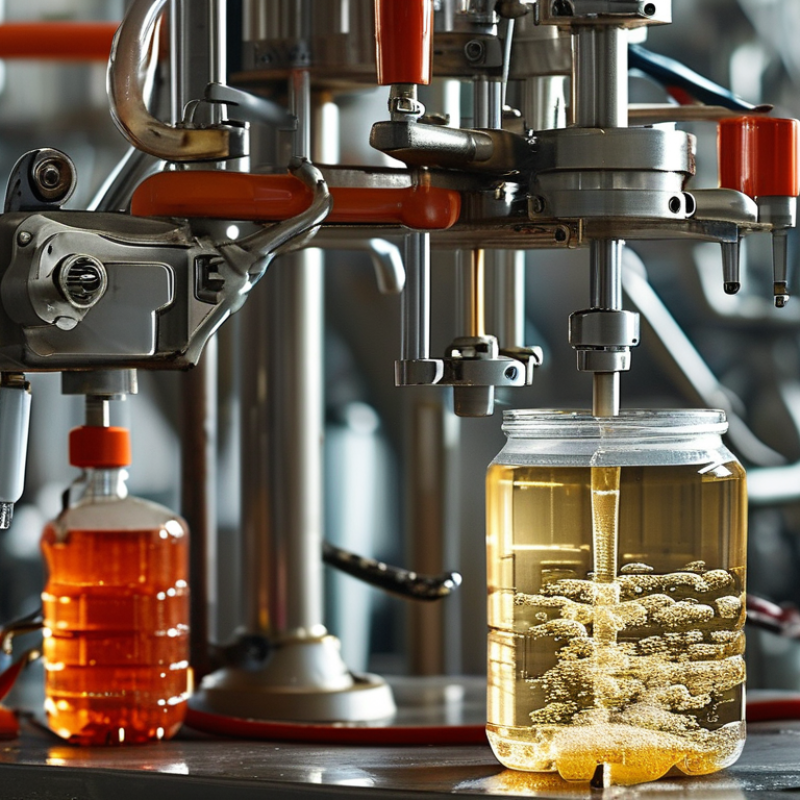
Best Pressure Overflow Filling Machines for Efficient Production?

Overview of Pressure Overflow Filling Machines

Pressure overflow filling machines are essential in the production of liquids. These machines work by maintaining a constant level in the bottle during the filling process. This method prevents spillage, ensuring efficient filling. It is vital for industries that require precise liquid measurements, such as food and beverage.

The design of pressure overflow machines allows for quick filling. They can handle various container shapes and sizes. This versatility helps manufacturers adapt to different products. However, operators must regularly check for consistency. Variations in fluid viscosity can impact the filling accuracy. Training staff on these machines is crucial for optimal performance.

Reliability is a key feature of pressure overflow systems. They often require less maintenance than other filling methods. Yet, manufacturers should be aware of potential problems, such as clogging. Regular inspections can help identify these issues early. Engaging with experts in the field can provide additional insights into improving machine reliability. This can ultimately lead to better production outcomes.

Best Pressure Overflow Filling Machines for Efficient Production

Key Features of Efficient Pressure Overflow Filling Machines

Pressure overflow filling machines are essential for efficient production in various industries. These machines ensure precise fill levels and minimize product waste. Key features play a crucial role in their efficiency and overall performance. Adjustable pressure settings provide flexibility for different liquid viscosities, which is essential for diverse production lines.

Tips: Regular maintenance is vital. It ensures machines perform optimally. Check seals and nozzles frequently to prevent leaks. A small leak can lead to significant product loss over time.

Another critical feature is the ability to handle different container sizes. Machines that offer quick changeover options help reduce downtime. This is especially beneficial for companies that run multiple products. User-friendly interfaces enhance operator efficiency. They reduce training time and help minimize errors during operation.

Tips: Always document performance metrics. This practice can highlight areas for improvement. Consider employee feedback on usability. Insights from operators can help refine processes and enhance machine performance.

Types of Products Suited for Overflow Filling

Overflow filling machines are crucial for many industries. They are effective for products requiring precise filling without overflow. Commonly filled items include liquids and viscous substances. Ideal products range from sauces to personal care items. These machines excel in maintaining consistent fill levels.

Products like shampoos, lotions, and syrups benefit greatly from overflow filling. The machines assure that each container receives the same amount. Inconsistent filling can lead to waste and customer dissatisfaction, which impacts business. Users must ensure that their chosen machine can handle the viscosity of their products.

However, some challenges arise in using these machines. For example, bubbles or foam can affect fill accuracy. Regular maintenance is vital to avoid such issues. Operators should remember to calibrate the machine frequently. Overall, understanding product characteristics is essential for optimal performance.

Benefits of Using Overflow Filling Machines in Production

Overflow filling machines offer significant advantages in production efficiency. They ensure uniform fill levels across bottles or containers, minimizing product waste. Reports indicate that using overflow filling technology can enhance production rates by up to 30%. This is particularly beneficial for industries dealing with liquids of varying viscosities. The consistency of the fill reduces variations that could affect consumer perception.

Employing these machines can also streamline the cleaning process. Many overflow fillers are designed with easy disassembly features, allowing quick maintenance. A study highlighted that companies experienced a 20% decrease in downtime when switching to overflow systems. However, these machines require regular calibration to maintain accuracy. Inaccuracies can lead to overfilling or underfilling, which might result in production inefficiencies and quality concerns.

The reliability of overflow filling machines also contributes to reduced labor costs. Operators can monitor multiple filling stations simultaneously. Yet, it's crucial to ensure proper training to avoid operational mistakes. A comprehensive training program is recommended to mitigate risks. Careful assessment of production needs and machine capabilities is vital to maximize the benefits of using overflow filling technology.

Best Pressure Overflow Filling Machines for Efficient Production

Model Filling Capacity (L/min) Standard Container Size (ml) Accuracy (%) Power Consumption (kW)
Overflow 3000 50 250 99.5 2.5
FillMaster 200 40 500 99.8 2.0
EcoFill 1000 30 1000 99.0 1.0
ProFill 5000 70 300 99.7 3.0

Factors to Consider When Choosing a Filling Machine

When selecting a pressure overflow filling machine, several key factors come into play. The machine's capacity closely ties to production efficiency. According to a recent industry report, optimal output rates can significantly enhance overall operations. Machines with higher fill rates often lead to reduced cycle times, translating to increased productivity for manufacturers. The filling accuracy is crucial, as even a small discrepancy can lead to product wastage and customer dissatisfaction.

Another aspect to contemplate is the material compatibility of the filling machine. Different fluids require specific materials that resist corrosion and wear. For example, food and beverage industries often prefer stainless steel due to its hygiene standards. Furthermore, easy cleaning and maintenance are essential for ensuring machine reliability. According to a survey, 40% of manufacturers reported increased downtime due to cleaning issues. Operators should evaluate the design and ease of access for regular maintenance tasks.

Additionally, the ability to adjust to varying fill volumes and container sizes matters. Flexibility in production can cater to market fluctuations without additional costs. However, finding a machine that balances both performance and adaptability can be challenging. A recent study indicated that companies focusing on versatile machinery have reported a 30% reduction in production bottlenecks. This demonstrates that understanding your specific needs is paramount in making the right decision.

FAQS

: What is the main function of pressure overflow filling machines?

: These machines maintain a constant liquid level, preventing spillage during the filling process.

Why is liquid measurement important in filling?

Precise measurements avoid product wastage and enhance customer satisfaction in various industries.

What are the benefits of using pressure overflow machines?

They offer quick filling and can handle different container shapes and sizes efficiently.

How does fluid viscosity affect the filling process?

Variations in viscosity can impact filling accuracy, requiring regular checks and potential adjustments.

Why is staff training essential for using these machines?

Proper training ensures optimal performance and helps operators handle potential issues effectively.

What maintenance challenges might arise with these machines?

Problems like clogging can occur, so regular inspections are crucial to maintain reliability.

How does machine capacity influence production efficiency?

Higher capacity machines typically lead to reduced cycle times and increased productivity.

Why is material compatibility important in these machines?

Different fluids need specific materials to prevent corrosion and ensure hygiene during production.

What maintenance issues can lead to increased downtime?

Difficulties in cleaning and accessing parts can result in significant production delays.

How can flexibility in filling adjust to market needs?

Machines that adapt to various fill volumes help manage fluctuations without incurring extra costs.

Conclusion

Pressure Overflow Filling Machines play a crucial role in enhancing production efficiency within various industries. These machines are designed to provide precise and consistent filling, making them ideal for a wide range of liquid products, including those that require accurate fill levels. Key features of efficient Pressure Overflow Filling Machines include adjustable fill height, quick changeover capabilities, and user-friendly controls, which contribute to streamlined operations.

Using Pressure Overflow Filling Machines offers several benefits, such as reduced waste, improved accuracy, and increased production speed. When selecting a filling machine, it is important to consider factors like the type of product being filled, the desired production output, and the specific operational requirements. By understanding these elements, manufacturers can choose the most suitable machine to optimize their filling processes.

Mason

Mason

Mason is a dedicated marketing professional with a deep expertise in our company’s product offerings. He consistently demonstrates a profound understanding of the market and customer needs, which allows him to craft compelling narratives that resonate with our audience. Mason plays a pivotal role......