
Packaging Equipment Insights & News
Discover technical resources, machine guides, maintenance tips, and automation trends from industry specialists.
Why Choose ROPP Bottle Capping Machines?
ROPP Bottle Capping Machines are designed for a precise job: forming a metal closure onto a bottle finish with consistent pressure and controlled rotation. On a filling line, that precision matters. A cap that sits crooked can cause leaks, rework, or rejected cases. A cap applied with suitable settings helps protect the product and keeps the line moving.
Manufacturing quality expert W. Edwards Deming is widely associated with the principle, “Quality is everyone’s responsibility.” It applies here: reliable closures depend not only on the capper, but also on matching caps, bottle finishes, setup, and routine checks. A ROPP machine can support repeatable results, whether operators use a compact semi-automatic unit or an integrated automatic system. The right choice depends on container shape, production speed, changeover needs, and the skill available for setup.
Look closely at the details. How easily can operators adjust the machine? Are cap placement and finished closures simple to inspect? Can the equipment handle the expected bottle range without awkward adjustments? These questions matter more than a headline speed figure. A machine may perform well in a demonstration yet require careful tuning on a real line. That is worth remembering. This guide explores why manufacturers choose ROPP Bottle Capping Machines, what to assess before buying, and where the technology’s practical limits deserve attention.
What Is an ROPP Bottle Capping Machine?
How It Works
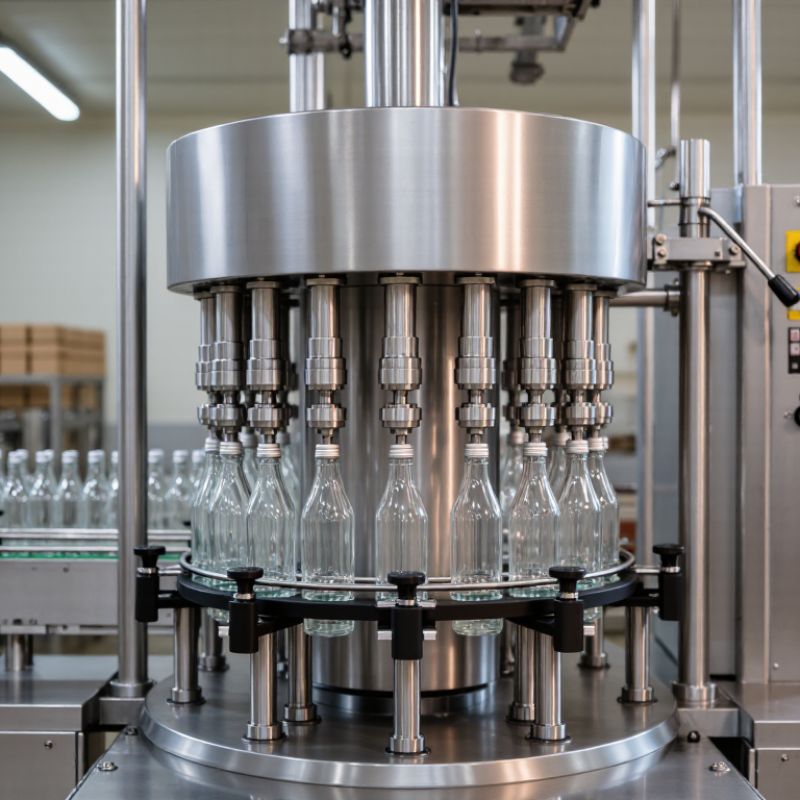
An ROPP bottle capping machine applies a roll-on pilfer-proof closure to a bottle. A metal cap shell sits over the neck, and rollers shape it to match the bottle’s threads. The machine also forms a tamper-evident band beneath the cap. You can see the result in the narrow, ridged metal skirt. It is not a pre-threaded cap.
During operation, bottles move beneath a capping head, where rollers press and form the shell as the head rotates. Correct setup matters: cap dimensions, bottle-neck finish, roller pressure, and line speed all affect seal quality. Too much pressure can damage the closure; too little may leave a loose cap. Small adjustments matter. Operators should check finished bottles regularly, not rely on machine settings alone.
Industry Context The 2024 PMMI State of the Industry report put U.S. packaging machinery shipments at about $10.9 billion in 2023. That figure covers many machine types, not ROPP cappers specifically, but it shows the scale of automated packaging. For a buyer, the useful question is whether a machine handles the actual bottle and cap consistently at the required speed. Testing with production materials is wise. Even then, changeovers can take longer than expected.
How Does the ROPP Capping Process Work?
Why Choose ROPP Bottle Capping Machines?
How Does the ROPP Capping Process Work?
A ROPP capping machine forms a metal cap directly around a bottle’s neck finish. A cap is placed over the opening, and the capping head holds it steady. As the head rotates, forming rollers press the cap skirt against the neck. They shape the threads and create a tamper-evident band. No pre-threaded cap is needed. The bottle and cap must match.
The machine’s pressure, alignment, and speed affect the finished closure. If the bottle sits off-center, threads may form unevenly. Too much pressure can deform the cap; too little may leave a loose seal. Operators typically check samples for cap tightness, band separation, and visible damage. A leak test can add useful confirmation, but it should suit the product and packaging. Small adjustments matter. Not every setup behaves identically.
Tips: Test several bottles after a changeover. Look closely at the band and cap edge. If results vary, pause and inspect bottle positioning, cap feed, and roller settings before increasing pressure. A rushed adjustment can hide the real cause.
What Benefits Do ROPP Cappers Offer?
ROPP cappers offer a practical way to apply aluminum closures and form their threads directly around a bottle’s neck. This can create a consistent fit and a visible tamper-evident band when the closure and bottle finish are correctly matched.
That matters. For beverage and other suitable products, the formed closure can help protect the package during storage and handling. Automated capping can also reduce repetitive handwork and support steady production speeds. Actual output depends on the machine, bottle shape, closure size, and line setup.
A key benefit is repeatability: rollers shape each closure through a controlled sequence rather than relying on manual tightening. This can help reduce loose or uneven caps, though setup still needs care.
Operators should check closure dimensions, bottle-neck specifications, roller settings, and sample bottles during changeovers. A poorly adjusted machine may damage closures or produce an unreliable seal. ROPP systems also require compatible closures and bottle finishes, so they are not a universal replacement for every capping method. That limitation is easy to overlook.
Tips: Test a small batch before full production. Inspect the formed threads and tamper-evident band, then verify seal performance using a suitable quality-control procedure. Keep a record of settings that work for each bottle and closure combination; it saves time, but should not replace routine checks.
Which Industries Use ROPP Bottle Capping Machines?
ROPP bottle capping machines are used in industries that need a secure, tamper-evident closure on glass bottles. Wine and spirits producers are familiar users, especially when packaging products in aluminum screw caps. The cap is formed around the bottle’s threads during application, so matching the cap, bottle finish, and machine setup matters.
Edible oil makers may use ROPP closures for products such as olive oil, where controlled pouring and a visible first opening are useful. Some beverage producers use them for juices, mineral water, or other drinks, depending on the bottle design and closure requirements. Pharmaceutical and personal-care manufacturers may also choose ROPP caps for suitable liquid products. Requirements differ: a filling line for a viscous syrup may need different handling and checks from a line packaging a thin beverage. Details matter.
In practice, operators monitor cap alignment, application pressure, and the finished seal. A crooked cap or damaged bottle finish can cause leaks or poor opening performance. Small defects are easy to miss. Periodic checks with sample bottles help reveal issues before they affect a full run. ROPP equipment is not a universal fit, either; product compatibility, bottle dimensions, and expected production speed should be assessed before selecting a machine.
What Factors Matter When Choosing an ROPP Capper?
Why Choose ROPP Bottle Capping Machines?
What Factors Matter When Choosing an ROPP Capper?
Choosing an ROPP capper starts with the bottle and closure, not the machine’s headline speed. Fit comes first. Confirm bottle height, diameter, neck finish, and cap dimensions against the equipment range. ROPP machines form threads in an aluminum closure, so the bottle finish and cap must work together. Ask for a trial using your actual bottles and caps. Small differences in glass thickness or neck shape can affect sealing.
Consider expected output, but check how it is measured. A quoted speed can look impressive; real production also includes loading, jams, and changeovers. Match the capper’s capacity to your line, with room for normal variation. Check whether adjustments are simple and repeatable when switching bottle sizes. Operators should be able to set the machine without guesswork. That detail matters.
Look closely at closure quality and operating controls. Ask how the machine monitors cap placement and forming pressure, and how rejected bottles are handled. A poor setting may leave uneven threads, loose caps, or damaged closures. Request sample results and inspect them for consistent fit and seal. Also consider cleaning access, guarding, spare parts, and service support. These points are easy to overlook during a showroom demonstration. They matter on a busy shift. A realistic trial may reveal that a slightly slower machine suits your bottles and workflow better.
FAQS
A cap sits over the bottle opening. Rotating rollers press its skirt against the neck, forming threads and a tamper-evident band. No pre-threaded cap is needed.
The bottle neck finish, cap dimensions, and machine settings must work together. Small differences in neck shape can affect sealing.
They may suit glass-bottled wine, spirits, edible oils, juices, mineral water, and some liquid personal-care or pharmaceutical products. Compatibility depends on the package requirements.
Check cap tightness, band separation, alignment, and visible damage. A suitable leak test can provide added confirmation. Even a tidy sample can mislead.
Off-center bottles, incorrect pressure, poor cap feed, or a damaged neck finish can cause problems. More pressure is not always the answer.
Compare bottle height and diameter, neck finish, cap size, and expected output with the equipment range. Test your actual bottles and caps.
Not by itself. Loading, jams, and changeovers affect real output, so a slightly slower machine may suit the workflow better.
Test several bottles after changes. Inspect the cap edge and band. If results vary, check positioning, cap feed, and roller settings. A rushed tweak can mislead.
Conclusion
ROPP Bottle Capping Machines apply roll-on pilfer-proof closures to compatible bottle openings, forming a secure seal by shaping the cap around the container’s threads and neck. During operation, bottles are positioned beneath the capping head, where rollers form the cap as the bottle or head moves. The result is a consistent closure that can help protect product quality, reduce leakage, and provide a clear indication if a cap has been opened.
These machines are used in industries such as food and beverage, pharmaceuticals, cosmetics, and household products. When choosing a capper, consider the bottle and cap materials and sizes, required production speed, changeover needs, automation level, ease of cleaning, and maintenance requirements. Matching these factors to your production needs can support reliable sealing and efficient operation.

Blog Tags: