
Packaging Equipment Insights & News
Discover technical resources, machine guides, maintenance tips, and automation trends from industry specialists.
How to Choose Timed Flow Volumetric Filling Machines in 2026?
Table of Contents
- Identifying Key Applications for Timed Flow Volumetric Filling Machines
- Evaluating the Accuracy and Precision of Filling Mechanisms
- Assessing Material Compatibility and Machine Durability
- Comparing Automation Features and User Interface Options
- Analyzing Cost Efficiency and Maintenance Considerations
- FAQS
- Conclusion
- Related Posts
In 2026, the market for Timed Flow Volumetric Filling Machines is set to evolve significantly. With the global filling machines market projected to reach $6.9 billion by 2026, the demand for precision and efficiency is paramount. Companies must consider various factors when selecting these machines, including accuracy, speed, and adaptability to different product types.
Current industry reports highlight that up to 30% of production downtime stems from inefficient filling processes. This emphasizes the importance of choosing the right equipment. Timed Flow Volumetric Filling Machines can address these issues, offering reliable performance that minimizes waste and improves productivity. The right choice can lead to a tangible return on investment, but it requires thorough analysis.
As manufacturers move towards more automated solutions, the role of Timed Flow Volumetric Filling Machines becomes even more critical. Inconsistent filling can lead to quality control issues, affecting brand reputation. Companies need to reflect on their specific needs, as not every machine will suit all operations. Investing in the right technology is an essential step to future-proof production lines.
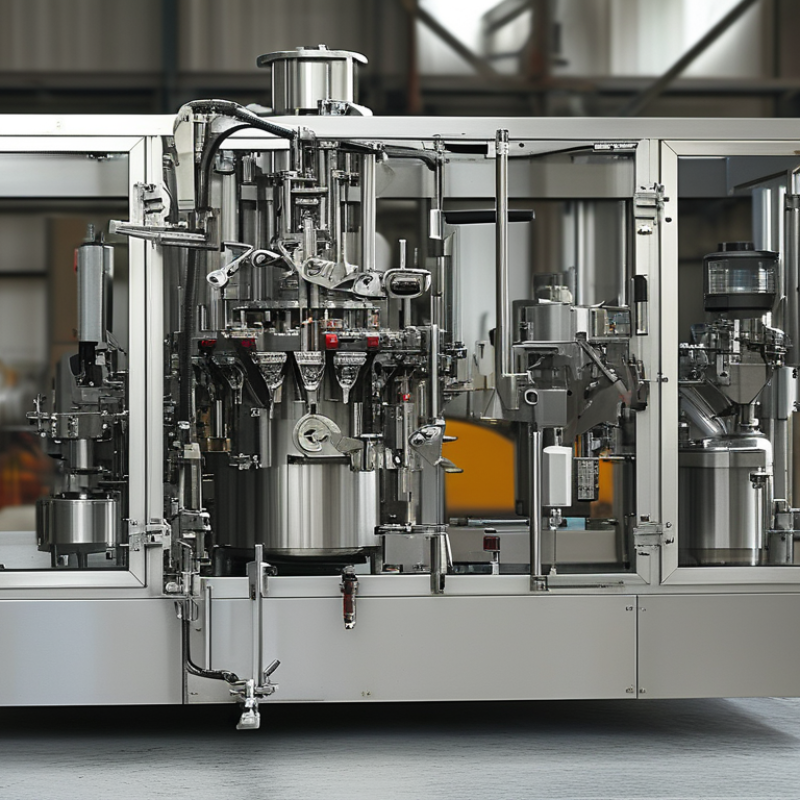
Identifying Key Applications for Timed Flow Volumetric Filling Machines
Timed flow volumetric filling machines play a critical role in various industries, particularly in food and beverage, pharmaceuticals, and cosmetics. According to a recent industry report, the global volumetric filling machines market is projected to reach $1.5 billion by 2026, driven by the increasing demand for precision and efficiency. It’s essential to identify key applications to maximize investment in these technologies.
In the food sector, for instance, timed flow machines are utilized for sauces, beverages, and dairy products. Their ability to deliver consistent volume is invaluable, reducing product waste and ensuring quality. In pharmaceuticals, the need for contamination-free processes makes these machines indispensable. A study indicated that 75% of manufacturers reported increased production rates after implementing volumetric fillers. However, it’s crucial to analyze the specific requirements and volume capacities needed for your product line.
Cosmetic products also benefit significantly from timed volumetric filling. The high viscosity of lotions and creams requires machines designed for precise flow control. Many organizations face challenges in automating these processes. Hence, investing in a machine that aligns with product fluidity and speed needs careful consideration. Regular evaluations of production capabilities are necessary to enhance operational efficiency continuously. Understanding these factors will lead to better decision-making in 2026 and beyond.
Evaluating the Accuracy and Precision of Filling Mechanisms
In 2026, choosing timed flow volumetric filling machines requires a deep understanding of accuracy and precision. Accuracy in filling refers to how close the filled volume is to the target amount. Precision, on the other hand, measures consistency across multiple fills. A report from the International Society for Pharmaceutical Engineering highlights that variations in filling can lead to significant quality issues. Approximately 20% of products fail tests due to inaccurate filling. This data underscores the importance of selecting machines that excel in both metrics.
Filling mechanisms can vary greatly, and each type has its nuances. For instance, machines using piston technology may provide higher precision, but at a slower speed. In contrast, gravity-based fillers can operate faster, yet may compromise on accuracy. A study by the Packaging Machinery Manufacturers Institute found that around 60% of manufacturers prioritize speed over accuracy, which could lead to costly errors.
It's crucial to analyze these trade-offs carefully. Can your production demands justify the risk of reduced quality? Review machine specifications and user feedback thoroughly. Test runs are invaluable as well. They reveal real-world performance and help identify potential calibration issues. Each decision impacts overall efficiency and customer satisfaction, so take the time to weigh your options carefully.
Accuracy and Precision of Timed Flow Volumetric Filling Machines (2026)
This chart illustrates the accuracy and precision metrics of different filling mechanisms. As industries evolve, the demand for precise filling remains critical for operational efficiency.
Assessing Material Compatibility and Machine Durability
Choosing the right timed flow volumetric filling machines involves careful consideration of material compatibility and machine durability. These factors ensure that the filling process is efficient and reliable. When assessing material compatibility, examine the substances being filled. Different materials can react with various machine components. This can lead to contamination or even machine failure.
Tips: Always test your materials with sample runs. Document any reactions or issues that arise. This data is invaluable for future decisions.
Durability encompasses how well the machine withstands wear and tear. Poor quality machines may break down, causing production delays. Look for machines made from high-grade materials. They tend to last longer and perform better under stress. Don't overlook the importance of maintenance. A well-kept machine can offer years of reliable service.
Tips: Create a maintenance schedule. Regular checks can prevent small problems from escalating. This proactive approach saves time and money in the long run.
Comparing Automation Features and User Interface Options
When selecting timed flow volumetric filling machines in 2026, automation features are critical. Advanced automation improves accuracy and efficiency in filling processes. According to a recent industry report, 75% of manufacturers prioritize automation to reduce labor costs. Also, automated systems minimize human errors, enhancing product consistency.
User interface options significantly impact operational efficiency. A user-friendly interface allows operators to adjust settings quickly. Studies indicate that over 60% of workers prefer interfaces that are intuitive and straightforward. Complex interfaces can lead to mistakes, resulting in costly downtime. Manufacturers need to balance advanced features with ease of use.
It's essential to consider scalability. As production demands grow, machines must adapt seamlessly. Some systems struggle to adjust, limiting their effectiveness. Ensuring a machine can evolve with production needs is vital. Data shows that machines capable of quick reconfiguration have a 30% higher adoption rate. This adaptability often reflects ongoing training requirements, illustrating a genuine need for continuous operator education.
Analyzing Cost Efficiency and Maintenance Considerations
When selecting timed flow volumetric filling machines in 2026, cost efficiency is a primary factor. The initial investment in machinery can be significant. However, evaluating total costs over time is crucial. Analyze the machine's energy consumption, maintenance needs, and lifespan. A machine that seems cheaper upfront may lead to high operating expenses later.
Maintenance considerations cannot be overlooked. Frequent breakdowns can disrupt production and incur unexpected costs. Check if the machine offers easy access for repairs and parts replacement. Understanding the manufacturer's support and warranty options is essential for long-term reliability. Consider the availability of trained technicians for servicing the equipment. The right machine minimizes the burden of maintenance.
Ultimately, finding the right balance between cost and efficiency requires careful thought. Each machine has its strengths and weaknesses. Stakeholders should involve their teams in the decision-making process. Engaging with operators may reveal insights into the practical aspects of machine usage. Collecting feedback from actual users can guide better decisions.
How to Choose Timed Flow Volumetric Filling Machines in 2026? - Analyzing Cost Efficiency and Maintenance Considerations
| Machine Model | Filling Speed (Bottles/Min) | Cost (USD) | Maintenance Frequency (Yearly) | Energy Consumption (kWh/Year) | Warranty Period (Years) |
|---|---|---|---|---|---|
| Model A | 120 | $25,000 | 1 | 500 | 2 |
| Model B | 150 | $30,000 | 2 | 450 | 3 |
| Model C | 100 | $20,000 | 3 | 600 | 1 |
| Model D | 90 | $15,000 | 4 | 550 | 2 |
FAQS
: Accuracy measures how close the filled volume is to the target. Precision indicates the consistency of fills across multiple runs.
Focusing on both metrics ensures product quality. About 20% of products fail tests due to inaccurate filling methods.
Piston machines offer precision but are slower. Gravity fillers operate faster, sometimes sacrificing accuracy. Choose based on your needs.
Assess material compatibility, machine durability, speed, and user feedback. Each choice affects efficiency and product quality.
Materials can react with machine components, causing contamination or failure. Always run tests with your specific materials to ensure safety.
Create a maintenance schedule for regular checks. Proactive measures can prevent production delays and costly repairs.
Automation enhances efficiency and reduces labor costs. It also minimizes human errors, leading to better product consistency.
Intuitive interfaces allow for quick adjustments. Complex designs can lead to mistakes and increased downtime during operations.
It's crucial for machines to be scalable. Systems that adjust easily have a higher adoption rate and meet evolving needs.
Focusing too much on speed can lead to costly errors. Ensuring a good balance is key to maintaining quality.
Conclusion
In 2026, choosing the right Timed Flow Volumetric Filling Machines requires a comprehensive approach. First, it's essential to identify the key applications where these machines will be utilized, ensuring they meet specific industry requirements. Evaluating the accuracy and precision of the filling mechanisms is crucial for maintaining product quality and consistency.
Furthermore, assessing the compatibility of materials with the filling machines and their overall durability can significantly impact operational efficiency. Comparing automation features and user interface options helps in selecting machines that enhance productivity and ease of use. Lastly, analyzing cost efficiency alongside maintenance considerations is vital for long-term investment success. By addressing these factors, businesses can make informed decisions regarding Timed Flow Volumetric Filling Machines that align with their operational goals.

Blog Tags: