Choosing the best China suppliers for Vacuum Liquid Filling Machines requires more than comparing prices and product photos. A machine may look impressive online, yet perform poorly with thick oils, foaming liquids, or uneven container sizes. This guide examines supplier experience, engineering capability, production quality, and after-sales support. It focuses on practical evidence, not attractive claims.
Real equipment details matter. We consider filling accuracy, vacuum stability, nozzle design, stainless steel quality, cleaning access, and control-system reliability. We also review how suppliers handle sample testing, factory acceptance checks, installation, operator training, and spare-parts service. A capable manufacturer should explain performance limits clearly. It should also recommend suitable models for each liquid and bottle format.
No supplier is perfect.
Our comparison approach includes factory records, technical documents, customer feedback, and direct communication. Where possible, buyers should request videos of similar machines running with comparable liquids. Trial filling can reveal problems that brochures hide, including dripping, air bubbles, slow recovery, or difficult changeovers. These small details affect daily production.
The strongest suppliers usually provide traceable materials, clear specifications, responsive engineers, and realistic delivery commitments. However, published information can be incomplete or outdated. Buyers should verify certifications, testing methods, warranty terms, and compliance requirements before purchasing. This article aims to offer a balanced starting point for evaluating China-based manufacturers of Vacuum Liquid Filling Machines. It does not replace technical inspection, product trials, or professional procurement advice.
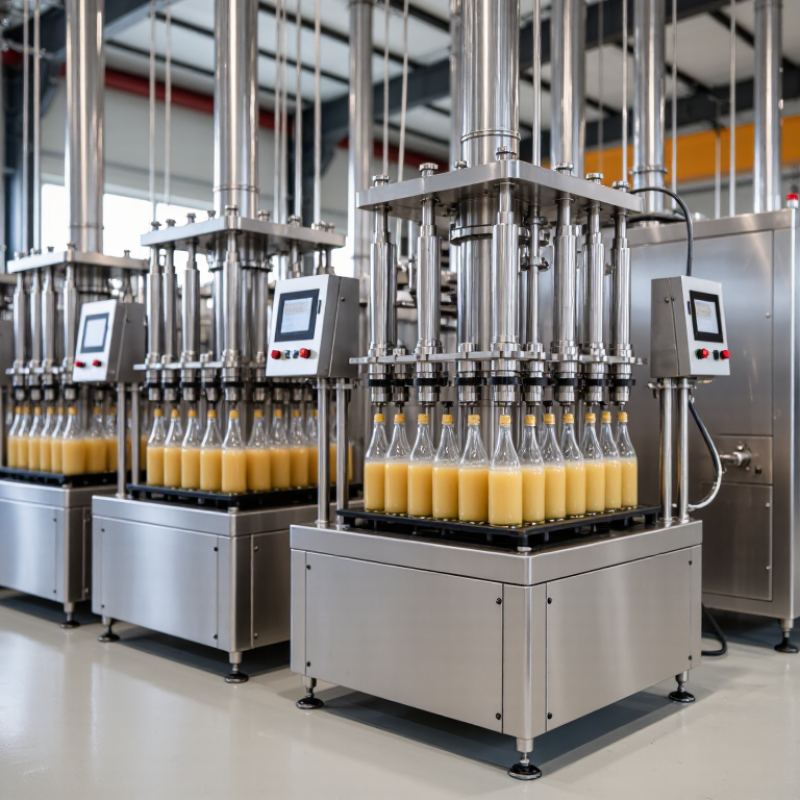
What Are Vacuum Liquid Filling Machines?
What Are Vacuum Liquid Filling Machines?
Vacuum liquid filling machines remove air from a container before dispensing liquid. This process reduces bubbles, oxidation, and unstable headspace. A vacuum pump creates negative pressure inside the bottle, while a calibrated nozzle controls the liquid flow. The system suits sauces, oils, syrups, creams, and other oxygen-sensitive products.
The details matter. Viscous liquids may need heated pipes or slower filling speeds. Thin liquids require careful vacuum control to prevent splashing. In my experience, poor nozzle alignment causes more waste than many buyers expect. Small leaks also weaken vacuum performance. Not glamorous, but important.
FAO’s 2022 food-loss report estimates that 13.2% of food is lost before retail. Better filling control can reduce spills and rejected containers, although it cannot solve every waste problem. PMMI industry reports consistently identify automation, hygienic design, and production flexibility as major packaging priorities. Buyers should request documented fill-volume tests, cleaning procedures, and material certificates from suppliers. Check performance with the actual liquid, bottle, temperature, and speed. Laboratory results can mislead.
A reliable machine should provide repeatable dosing, accessible product-contact parts, and clear vacuum readings. Operators also need practical training. Technology alone is insufficient. Even an accurate filler can underperform when maintenance records are incomplete or settings are guessed.
FAQS
It removes air from a container before dispensing liquid. This reduces bubbles, oxidation, and unstable headspace. A vacuum pump creates negative pressure. A calibrated nozzle controls flow.
The system suits sauces, oils, syrups, creams, and other oxygen-sensitive liquids. Thick products may need heated pipes. Thin liquids require careful vacuum control. Testing remains necessary.
Poor nozzle alignment can create unexpected waste. Small leaks weaken vacuum performance. Excessive speed may cause splashing or foaming. These details look minor.They are not.
Request a live test with the actual liquid, bottle, temperature, and target speed. Measure fill variation across repeated cycles. Check vacuum stability, dripping, foaming, and cleaning time.Laboratory results may mislead.
Request calibration records, material certificates, wiring diagrams, software backups, and spare-parts lists. Ask for documented maintenance procedures. A written factory acceptance test should include measurable limits.
No. Certification can support confidence, but it cannot replace process evidence. Inspect welds, tubing routes, sensors, electrical assembly, and final inspection procedures. Certificates may reveal little.
Suppliers should provide operator training, remote diagnostics, troubleshooting support, and clear warranty terms. Ask about response times across different time zones. Confirm installation scope and training hours.A slow response can stop production.
Compare utilities, consumables, maintenance, downtime, spare parts, and technician travel. A lower quotation may include weaker pumps or limited support. One failed seal can become expensive.
Operators should inspect seals, valves, nozzles, pipes, and vacuum readings regularly. Keep maintenance records complete. Do not trust “zero maintenance” claims. Every vacuum system needs inspection.
Conclusion
Vacuum Liquid Filling Machines are designed to fill liquids accurately by creating a controlled vacuum that helps draw products into containers while reducing air bubbles, splashing, and product waste. They are especially useful for handling liquids with different viscosities, from thin fluids to thicker materials. Their operating process generally includes container positioning, vacuum generation, liquid intake, filling control, and release of the finished container. Depending on production needs, buyers may choose single-nozzle, multi-nozzle, semi-automatic, or fully automatic models.
When selecting a reliable Chinese supplier, buyers should evaluate equipment compatibility, filling accuracy, production capacity, material quality, and customization options. It is also important to review manufacturing experience, quality-control procedures, testing standards, and technical documentation. Strong after-sales support, operator training, spare-parts availability, installation guidance, and responsive communication can significantly improve long-term performance. A dependable supplier should provide clear specifications, practical solutions, stable service, and transparent cooperation throughout the purchasing and equipment-use process.