Choosing the right equipment for your production line is essential. When it comes to liquid filling, Automatic Piston Filling Machines stand out. They offer precision, efficiency, and reliability. However, selecting the best one requires careful consideration of several factors.
Understanding the production needs is vital. Different industries have varying requirements for filling speed and accuracy. You might find that what works for one application may not suit another. Moreover, the machine's compatibility with various container types can significantly affect your workflow.
Quality and durability are paramount. Investing in robust Automatic Piston Filling Machines can save you maintenance costs in the long run. However, it’s important to examine manufacturers. Are they recognized in the industry? Do they provide support after the sale? Sometimes, the best machines come with hidden costs. Thinking critically about these aspects will lead you to make a more informed decision.
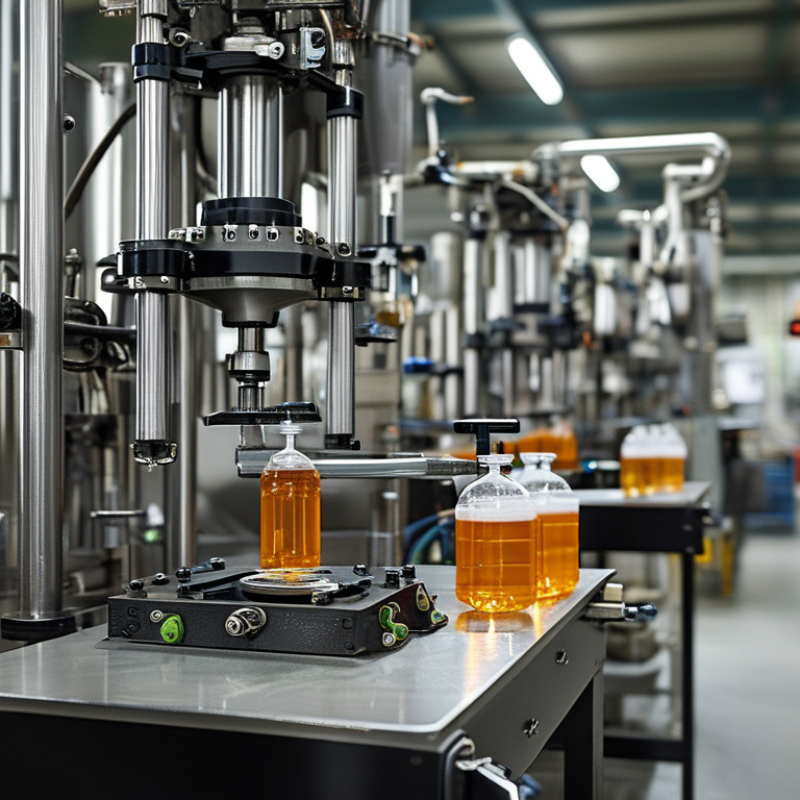
Understanding the Functionality of Automatic Piston Filling Machines
Automatic piston filling machines play a crucial role in various industries. They are designed to accurately dispense liquids and semi-liquids into containers. Understanding their functionality can help you choose the right model for your needs.
These machines use a piston mechanism to draw liquid from a reservoir. When the piston moves forward, it pushes the liquid into the filling nozzle. This ensures precise volume control, vital for consistent product quality. Many industries rely on this accuracy. For example, food and beverage manufacturers must avoid overfilling or underfilling containers, which can lead to waste or customer dissatisfaction.
While automatic piston filling machines offer great benefits, they do require careful consideration. Factors like the type of liquid or container size can influence your choice. Some users may overlook maintenance needs, such as cleaning and adjustments. Regular upkeep is essential for optimal performance. Additionally, training staff on proper operation is critical. Misuse can lead to inconsistent filling and potential losses.
Key Factors to Consider When Selecting a Filling Machine
Choosing the right automatic piston filling machine requires careful consideration of several key factors. First, assess the capacity and speed needed for your production line. Understanding your output demands is crucial. A machine with an inadequate capacity will hinder production efficiency. On the other hand, over-specifying may lead to unnecessary costs.
Next, consider the types of products you will fill. Different machines cater to liquids, creams, or thick substances. Some may not handle highly viscous liquids well. Evaluate the machine's adaptability to your specific formulations. Also, analyze its ease of cleaning and maintenance. Machines that are difficult to clean can lead to extended downtime.
Finally, evaluate the technical support and training offered with the machine. Solid support from the manufacturer is vital for troubleshooting and optimizing performance. Without it, your team may struggle to operate or maintain the machine effectively. Remember, investing time into choosing the right machine can save you from costly mistakes in the future.
Evaluating the Production Capacity of Piston Fillers
When selecting automatic piston filling machines, one crucial factor to evaluate is the production capacity. Understanding this metric helps you choose a machine that aligns with your production needs. Industry reports indicate that piston fillers can reach capacities up to 2,000 units per hour, depending on their configuration and product viscosity. This means that for high-demand products, selecting the right machine can significantly enhance efficiency and minimize operational downtime.
Consider how these machines handle various fluid viscosities. Some models are better suited for thick liquids, while others excel with thin substances. If your production includes a range of product types, look for a versatile machine. According to a leading industry study, over 35% of manufacturers reported that insufficient capacity led to unmet production goals. This illustrates the importance of aligning your machine's specifications with your output requirements.
When choosing a piston filler, think about potential future growth. It may be tempting to select a machine that meets current needs. However, most industry consultants recommend considering machines with scalable options. This foresight can prevent the need for future investments, especially when aiming for higher volumes. Your choice now could impact your company's trajectory for years to come.
Examining Compatibility with Different Viscosity Materials
When selecting automatic piston filling machines, compatibility with various viscosity materials is crucial.
Report by the Manufacturing Association shows that over 40% of production failures stem from incorrect filling machine selections.
Different materials require different techniques. Low-viscosity liquids need precise control, while high-viscosity materials can present challenges.
Understanding the material’s viscosity can impact machine performance significantly.
For example, products like syrups or creams need robust pumps to maintain flow.
Machines must handle the material’s thickness, or filling errors will occur.
Industry findings reveal that many manufacturers underestimate this aspect, leading to delays and losses.
Consider these tips when choosing machines: ensure the proposed machine meets viscosity requirements.
Next, always test with sample materials before committing.
Work closely with machine providers to understand their technology and get proper guidance.
Finally, consider future production changes; scalable solutions can save time and resources.
Constant evaluation of compatibility can enhance efficiency in operations, reducing waste.
Experience with various materials can provide insights that technical specifications alone may not convey.
Assessing Maintenance and Support Services for Filling Equipment
When selecting automatic piston filling machines, maintenance and support services play a critical role. An effective maintenance plan can extend the machine's lifespan and ensure consistent performance. Regular checks and timely interventions can prevent unexpected breakdowns. Look for companies that offer comprehensive service packages. This includes training, spare parts availability, and on-site assistance.
One often overlooked aspect is the responsiveness of support services. Quick response times can minimize downtime during critical operations. Reach out to potential suppliers and gauge their communication effectiveness. Ask for references from current customers. Gathering feedback can provide insights into their service reliability and expertise. A strong support system fosters trust, which is essential for long-term partnerships.
Lastly, consider the ease of obtaining maintenance training. Can your staff learn to troubleshoot basic issues? Having this skill in-house can help address minor problems swiftly. Always evaluate if the training is comprehensive enough. Balancing your operational needs with the availability of support can be challenging. Reflecting on these factors can greatly influence your filling machine's success.
Top 5 Tips for Choosing Automatic Piston Filling Machines
| Tip |
Description |
Maintenance Frequency |
Support Availability |
Response Time |
| Evaluate Quality and Durability |
Ensure the machine is made of high-quality materials to withstand frequent use. |
Monthly |
24/7 Support |
2 hours |
| Consider the Filling Range |
Select machines that can handle a variety of product viscosities and volumes. |
Quarterly |
Business Hours Support |
4 hours |
| Assess Ease of Use |
Look for user-friendly interfaces and simple operation procedures. |
Bi-Monthly |
Online Chat Support |
1 hour |
| Check for Available Training |
Ensure the supplier offers training for proper machine operation and maintenance. |
As Needed |
Scheduled Training |
Varies |
| Evaluate Spare Parts Availability |
Choose machines with easy access to spare parts to reduce downtime. |
Annually |
Direct Line Support |
3 hours |
FAQS
: Compatibility ensures that the filling machine operates effectively with different material thicknesses. Incorrect selections lead to failures.
Low-viscosity liquids need precise control. Machines must adjust flow rates to prevent errors during filling.
High-viscosity materials may cause flow issues. Robust pumps are needed to handle their thickness in filling processes.
Always test the machine with sample materials. This helps verify if it meets viscosity requirements and prevents losses.
Effective maintenance can extend machine lifespan. Regular checks prevent breakdowns and ensure consistent operation.
Quick response times minimize downtime. It's crucial during critical operations, affecting overall productivity.
Training in basic troubleshooting is essential. In-house skills allow for quick resolution of minor problems.
Gauge their communication effectiveness. Good communication fosters trust and reliability in ongoing partnerships.
Constant evaluation helps reduce waste in operations. It also improves overall performance of filling machines.
Underestimating viscosity requirements can lead to delays. Acknowledging this reflection can improve decision-making processes.
Conclusion
When selecting Automatic Piston Filling Machines, it's crucial to understand their functionality and how they operate to ensure optimal performance for your production needs. Key factors to consider include the machine's compatibility with different viscosity materials, as this impacts the quality of the filling process. Additionally, evaluating the production capacity of piston fillers is essential to meet the demands of your operation efficiently.
Moreover, assessing the maintenance and support services available for filling equipment will help you avoid downtime and ensure long-term reliability. By taking these aspects into account, businesses can make informed decisions when choosing Automatic Piston Filling Machines that best align with their specific requirements and production goals.