
Industry Knowledge Hub

Packaging Equipment Insights & News

Discover technical resources, machine guides, maintenance tips, and automation trends from industry specialists.

0%

In 2026, choosing a labeling machine is less about chasing the fastest headline speed and more about matching the equipment to the product, adhesive, and production rhythm. Pressure Sensitive Labeling Machines apply pre-coated labels without water or heat, but performance still depends on details: container shape, label stock, web tension, and changeover time. AWA Alexander Watson Associates’ Global Labeling and Product Decoration Market research tracks pressure-sensitive labels as a distinct technology segment. PMMI’s State of the Industry reporting also examines the automation and workforce pressures shaping packaging operations. These reports offer useful context, though neither replaces a line trial with your own containers and labels.

Small details matter. A label that wrinkles on a cold bottle can slow an otherwise capable line. For a practical expert perspective, AWA founder Alexander Watson’s market analysis can be paraphrased this way: “Choose the labeling method for the real product and production conditions, not the brochure.” This is a paraphrase, not a verbatim quotation. The guide compares leading machine types by application range, speed, accuracy, changeover needs, and service support. It also considers what specifications can hide: quoted output may depend on container spacing, operator skill, and stable label rolls. Some comparisons remain imperfect; suppliers do not always measure performance under identical conditions. That caveat matters. Use the shortlist to frame questions, then verify claims with sample runs, clear acceptance criteria, and a close look at the machine’s adjustment points.
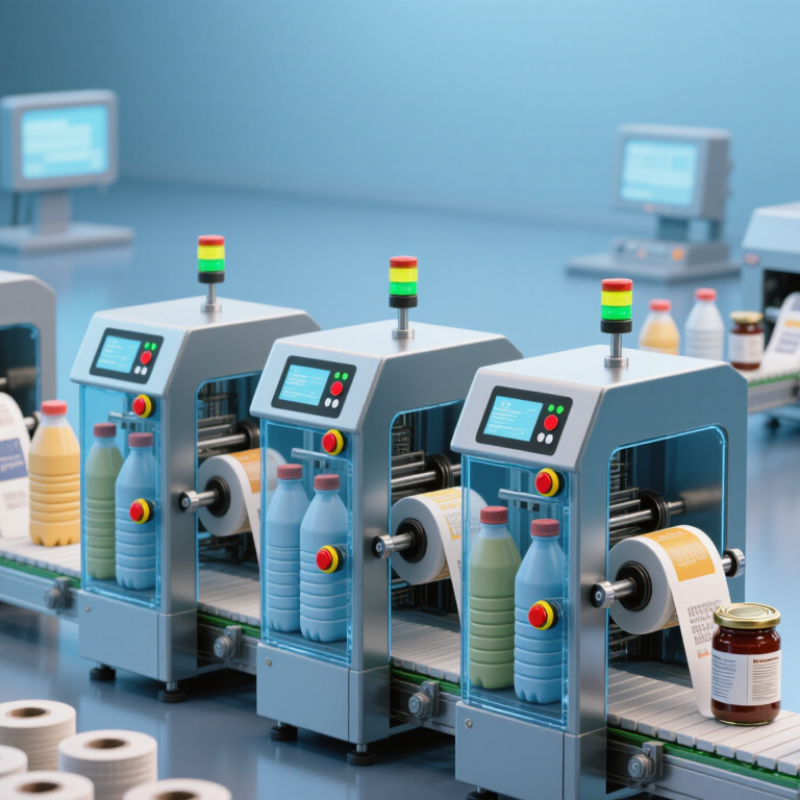
Top Pressure Sensitive Labeling Machines for 2026?

What Pressure-Sensitive Labeling Machines Are

Pressure-sensitive labeling machines apply labels whose adhesive bonds when pressure meets the container surface. The label arrives on a continuous backing liner, passes a peel plate, and separates just before application. Rollers, belts, or tamp pads then press it onto a bottle, jar, carton, or pouch. Sensors help time each label with the moving package. In practice, container shape, surface moisture, line speed, and label stiffness can all affect placement. Small changes matter.

These machines range from manual-feed units to automatic systems synchronized with conveyors and filling lines. Smithers’ The Future of Label Printing to 2028 forecasts the wider global label market reaching about US$67 billion by 2028; that estimate includes multiple label formats, not pressure-sensitive labels alone. It signals a growing need for dependable labeling, but does not tell a buyer which machine will fit a specific line. That distinction matters. A reliable evaluation should test actual containers and labels at realistic speeds, then check alignment, adhesion, changeover time, and waste. One caveat: even a well-tuned machine may struggle when container tolerances vary. Operators often discover this during production, not in a clean showroom test.

How Pressure-Sensitive Labeling Machines Apply Labels

Top Pressure Sensitive Labeling Machines for 2026?

How Pressure-Sensitive Labeling Machines Apply Labels

Pressure-sensitive labeling machines apply labels using adhesive that bonds when pressed against a surface. The process begins with a roll of labels wound around a backing liner. Rollers guide the liner toward a dispensing edge, where it bends sharply. The label separates and advances while the liner continues through the machine. A sensor helps time each application, especially when containers arrive at regular intervals. Then a wipe-down roller or tamp pad presses the label onto the product. On a moving bottle, even a small timing shift can leave the label crooked. Small details matter.

Tips: Keep the label path aligned and set web tension according to the material. Clean containers help labels bond evenly. Test the setup with actual containers, not just a sample sheet. Watch the label edge as products pass; a slight wrinkle can reveal a problem with pressure, timing, or container spacing.

A setup can seem correct during a short trial, then drift during a longer run. Check for adhesive buildup near the peel edge and listen for changes in liner movement. Label stock also behaves differently across materials and room conditions. There is no single setting that suits every container, so adjust gradually and record what works.

Common Machine Types and Their Applications

Pressure-sensitive labeling machines use adhesive-backed labels, making them suitable for many packages without heat or water activation. A tabletop, semi-automatic machine is often practical for short runs and frequent product changes. An operator positions each bottle or jar, then triggers the label cycle. It is simple, but output depends on steady handling.

For faster lines, automatic inline machines can apply labels while containers move along a conveyor. Wraparound models suit round bottles, while front-and-back applicators handle flat-sided containers such as cartons and rectangular jars. Top-and-bottom systems label trays, tubs, or boxes. A tamp-blow applicator can place labels on uneven surfaces where a wipe-on roller may struggle. Small details matter: container spacing, label size, and surface moisture can all affect placement. Test with the actual package. A neat sample is not proof of reliable production; labels may drift when speed changes or containers arrive slightly tilted. The right machine depends on the package shape, required rate, and changeover needs—not simply the highest speed listed.

Typical operating speeds vary by container, label size, line setup, and product handling. The ranges shown are indicative rather than guaranteed machine ratings.

Key Factors for Comparing Machines in 2026

Pressure-sensitive labeling machines may share similar specifications, but behave differently on an actual production line. Compare them using your containers, labels, and operating conditions—not brochure speed alone. Run sample bottles or cartons through each candidate, including the smallest and most flexible formats. Watch for wrinkles, skew, missed labels, and adhesive lift after handling. Fit matters. Ask how quickly operators can adjust guides, sensors, and label position during a changeover. A clear recipe system helps, though it cannot replace practical training. Check output across realistic speeds, not just during a brief demonstration.

Confirm compatibility with upstream filling or packing equipment, available floor space, and existing controls. Review label-roll capacity and whether rolls can be changed without disrupting the line. Inspect access to cleaning points and wear parts; awkward maintenance becomes noticeable over time. Ask for documented acceptance criteria, spare-part lead times, and service response details in writing. These details matter. Consider how the system handles future label sizes or container changes, too. Not every feature earns its cost. A fair comparison weighs application consistency, changeover time, operator workload, and support against purchase price. One weakness in many buying plans is assuming today’s product mix will stay unchanged. Leave room for that uncertainty.

Top Pressure Sensitive Labeling Machines for 2026? — Key Factors for Comparing Machines in 2026

Machine configuration Typical application Indicative line speed Common label placement Key comparison factors Best fit
Tabletop / manual-assist Small batches of bottles, jars, or other compatible containers Approximately 5–20 containers per minute Usually one wraparound or front panel label Operator loading, container positioning, label roll changes, and repeatability Prototyping, short runs, and low-volume production
Semi-automatic Products loaded by an operator and labeled by a powered applicator Approximately 10–40 containers per minute Commonly one-sided or wraparound; some setups support top labeling Container fixture, sensor compatibility, label-position adjustment, and operator cycle time Growing businesses with variable product batches
Automatic in-line, single-side Conveyed cartons, bottles, tubs, or stable flat-sided packages Approximately 30–150 containers per minute One label on a flat face or panel Conveyor control, gap detection, product spacing, and label placement tolerance Continuous production with a consistent package orientation
Automatic wraparound Round bottles, cans, jars, and cylindrical containers Approximately 30–200 containers per minute Full or partial wraparound label Container rotation or stabilization, label overlap, diameter range, and feed consistency High-volume cylindrical products requiring repeatable wrap placement
Automatic front-and-back Flat, oval, or rectangular containers with two label panels Approximately 20–120 containers per minute Two opposing sides, applied in one pass Container alignment, side-belt stability, panel spacing, and independent applicator adjustment Products needing matching front and back information labels
Top / bottom or multi-panel Trays, clamshells, cartons, and packages with multiple label faces Approximately 20–120 packages per minute Top, bottom, or multiple surfaces, depending on configuration Package support, access to each surface, orientation control, and applicator coordination Packages requiring labels on more than one face

Note: Speed figures are indicative planning ranges, not guaranteed machine ratings. Actual output depends on container geometry, label size and material, product spacing, changeovers, operator handling, and line conditions. Compare machines using representative product samples and confirm sustained throughput, placement accuracy, and changeover requirements during testing.

Notable Pressure-Sensitive Labeling Machines to Consider in 2026

Notable Pressure-Sensitive Labeling Machines to Consider in 2026

Choosing a pressure-sensitive labeling machine starts with the container, not the brochure. A round bottle may need a wraparound applicator with adjustable rollers; flat cartons often suit front-and-back or top-panel systems. For mixed product runs, quick-change guides and recipe storage can reduce setup time. Small details matter. Check whether operators can thread a label roll without awkward reaching, and whether the sensor reliably detects clear labels.

Smithers’ report, The Future of Labels and Release Liners to 2028, estimates global label demand will reach about 78.5 billion square metres by 2028, up from roughly 72 billion in 2023. That growth supports investment, but it does not guarantee a machine will fit every line. Match rated speed to real production conditions, including product spacing, label changes, and downstream inspection. A high-speed unit may slow the line if containers arrive inconsistently.

For 2026, compare pressure-sensitive systems by changeover time, label placement accuracy, and access for cleaning and maintenance. Ask suppliers to test your actual containers and labels, including slightly warped bottles or low-contrast stock. No machine is perfect. I would also leave room in the budget for training and spare parts; those costs are easy to overlook during selection.

FAQS

How does a pressure-sensitive labeling machine apply a label?

The label separates from its backing liner at a peel plate. Rollers, belts, or tamp pads press it onto the container.

Which packages can these machines label?

They can label bottles, jars, cartons, trays, tubs, and pouches. Shape and surface condition matter.

What machine suits short production runs?

A tabletop, semi-automatic unit can work well for short runs and frequent product changes. Output depends on steady hand placement.

Which systems suit faster production lines?

Automatic inline machines apply labels as containers move on a conveyor. Wraparound units suit round bottles; front-and-back systems suit flat cartons.

What should buyers check before choosing a machine?

Match the applicator to your container shape, required output, and changeover needs. The highest rated speed is not always the best fit.

How can a buyer test label placement?

Test actual containers and labels at realistic line speeds. Include slightly tilted bottles or low-contrast labels. Small details matter.

What can cause labels to drift or misalign?

Uneven container spacing, surface moisture, label stiffness, and variable container shapes can affect placement. A clean sample may not reveal every issue.

What costs are easy to overlook?

Training, spare parts, cleaning access, and setup time deserve attention. I would not rely on a showroom test alone.

Conclusion

Pressure Sensitive Labeling Machines apply labels with a pre-coated adhesive that bonds when pressure is applied, eliminating the need for heat or added liquid adhesive. A typical system feeds labels from a roll, separates each label from its backing, and places it onto a product or package. Depending on the setup, labels may be applied to flat surfaces, curved containers, or multiple sides of a product. Common machine types range from compact tabletop units for small batches to semi-automatic and fully automatic systems designed for higher production volumes.

When comparing machines for 2026, consider product shape and size, label dimensions, required output speed, placement accuracy, changeover time, and available floor space. Ease of operation, maintenance needs, integration with existing production equipment, and the ability to handle future product variations are also important. The most suitable option depends on balancing these requirements rather than choosing solely by speed or automation level.

Isaac

Isaac

Isaac is a dedicated marketing professional with a deep understanding of the company's offerings and a passion for driving success through innovative strategies. With a keen eye for detail and a commitment to excellence, he plays a pivotal role in crafting and updating the professional blog on the......